Site will be
unavailable for maintenance from June. 4, 11:30 p.m., to June 5, 12:30 a.m. ET. Thank you for your
patience!

Hope includes you.
Sponsor Now
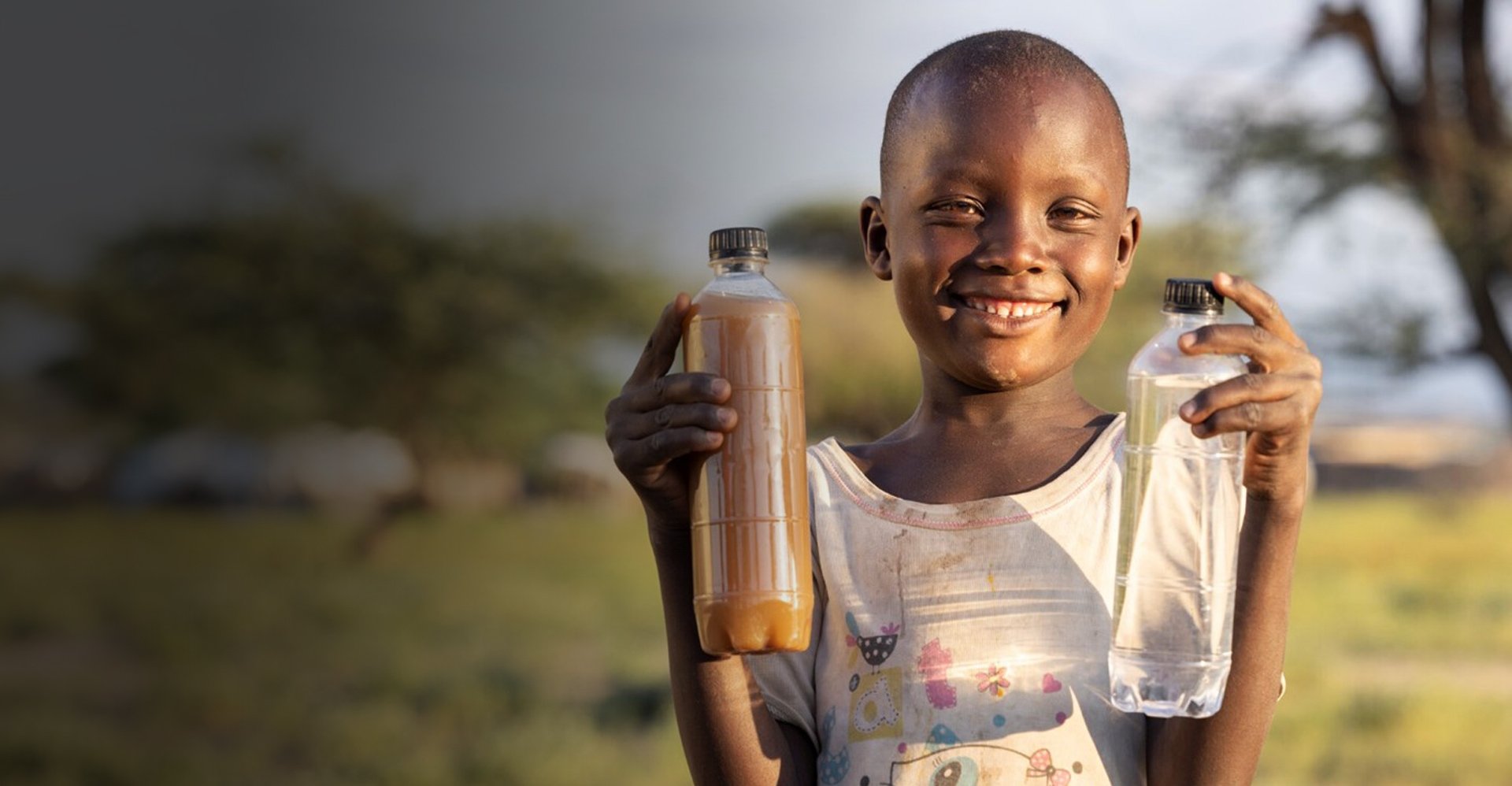

Hope includes you.
Sponsor NowKeeping Kids Healthy, Educated and Safe Since 1938

Give Monthly
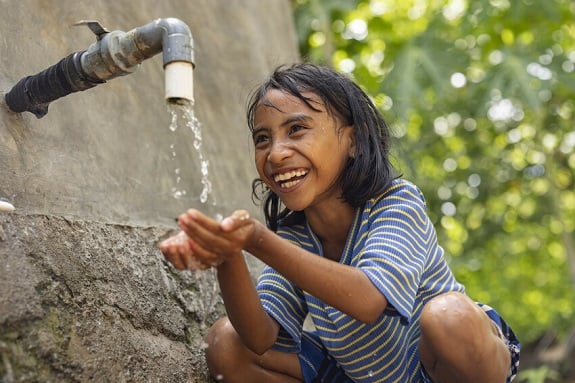
Change starts small – and it starts with you. Join our community of monthly givers dedicated to making a lasting impact in children’s lives.
Learn More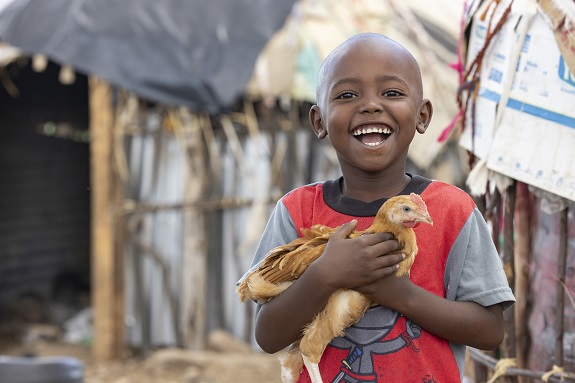
Send Real Gifts
From farm animals to wheelchairs to clean water, browse our Real Gifts Catalog to donate a physical gift that will mean the world to a child.
Learn More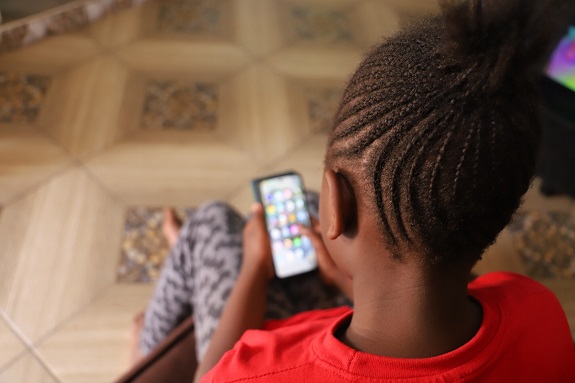
#TakeItDown
Child sexual abuse materials are reported online 80,000 times per day. You can do something about it. Join our fight to protect children online.
Learn More

Featured Stories

Do you believe these 5 myths about online sexual abuse?
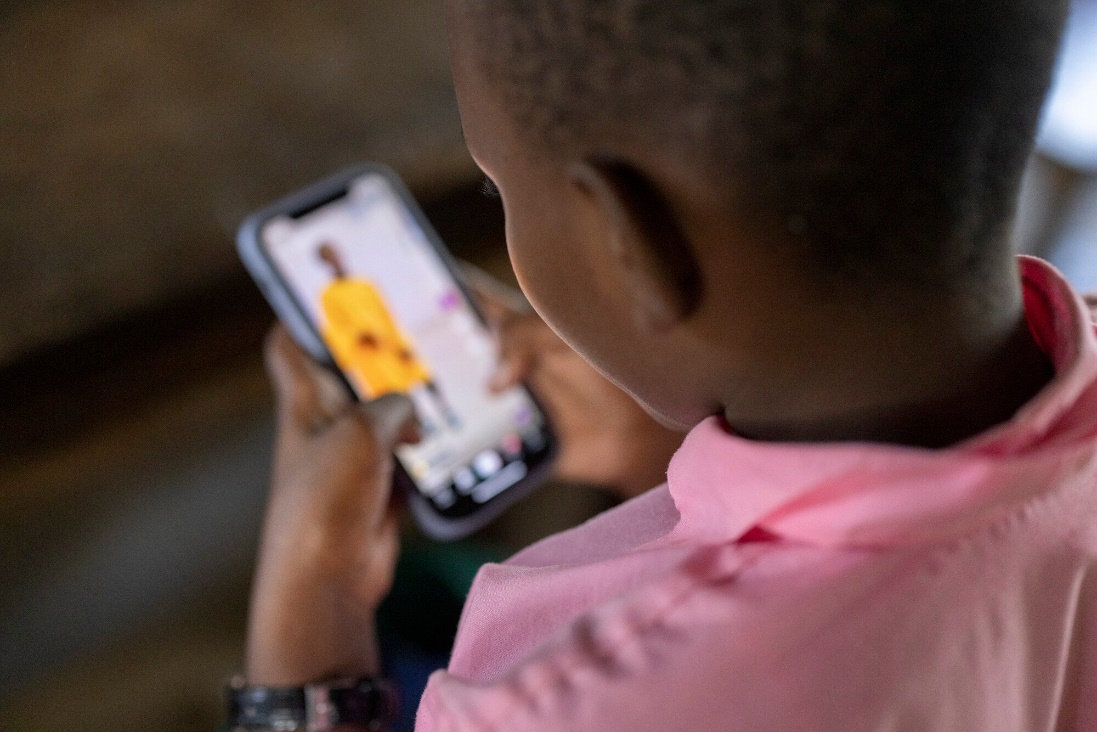
Online sexual exploitation and abuse of children is on the rise. How much do you know about this pervasive problem, and what can you do to protect children online? Read More...
Why work together so kids can grow up healthy, educated & safe?
Because we need each other.
