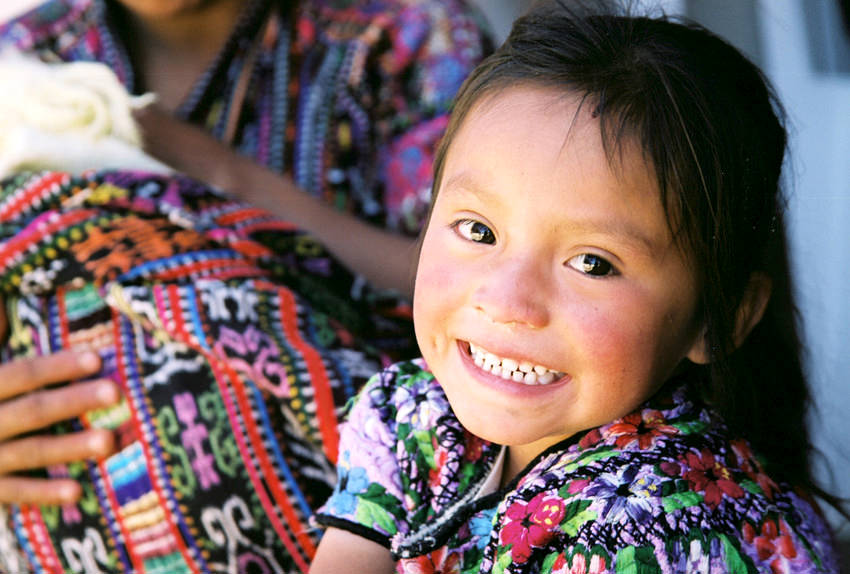
Guatemala is the most populous Central American nation and the heart of the Mayan world. A country of great beauty and diversity, it is home to 23 languages and at least that many distinct cultures. Guatemala's Amerindian cultures are mainly derived from Mayan and Spanish roots. The nation struggles in several areas of health and development, including infant, child and maternal mortality; malnutrition; literacy; and reproductive health. The large indigenous population of Guatemala is disproportionately affected. With almost half of its population under age 19, Guatemala has Latin America's highest fertility and population-growth rates.
ChildFund has served children in Guatemala since 1964. Help make a difference and sponsor a child in Guatemala today.
Ages 0 – 5: Healthy and Secure
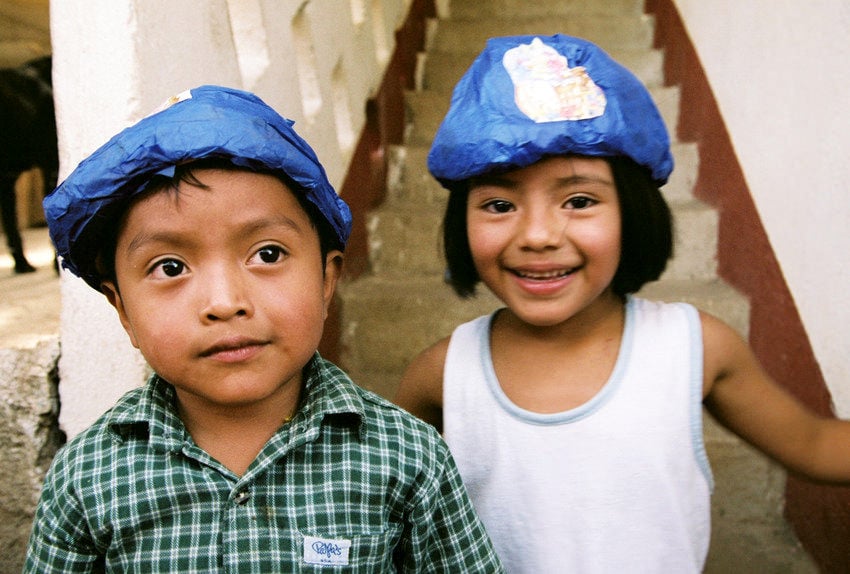
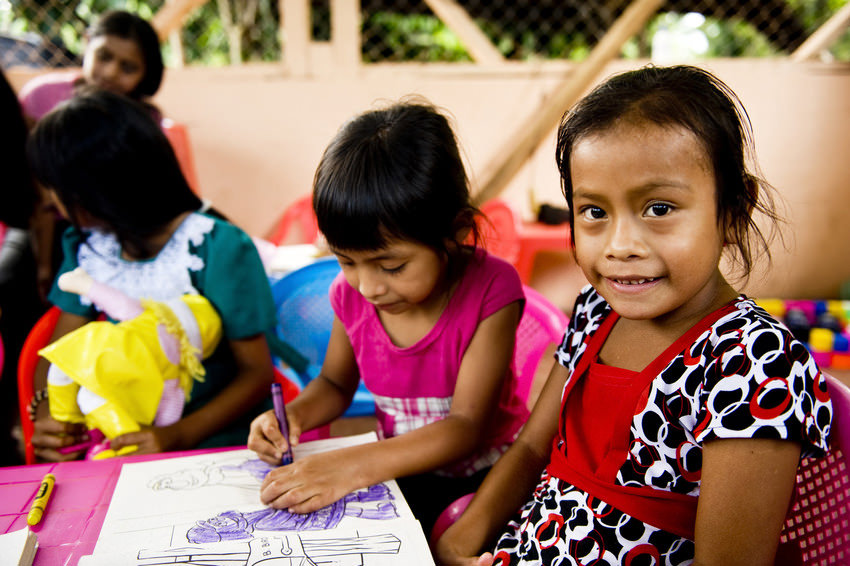
ChildFund Guatemala’s “Window of Life” program helps young children develop to their full potential by training guide mothers to support women during their pregnancies and afterwards, as well as showing parents and caregivers how to ensure healthy physical, cognitive, social and emotional development in their young children. Our Play With Me program adds nutrition, early stimulation and school readiness to the mix, with volunteer guide mothers teaching parenting techniques and assisting with early childhood development. Participating infants show improved motor, cognitive and social-language skills. In 2015, more than 7,900 infants participated, along with 3,673 mothers, fathers and other caregivers.
Ages 6 – 14: Educated and Confident
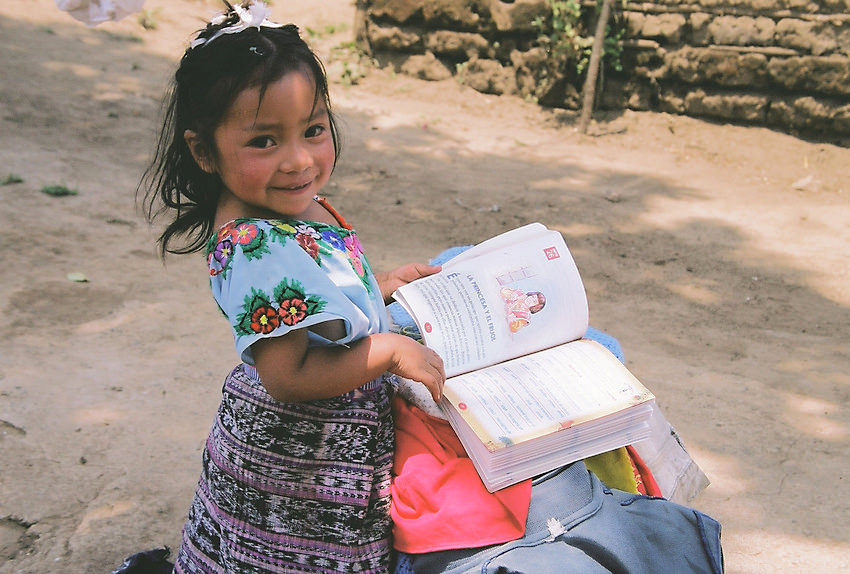
Many children stop attending school after grade 6 or earlier in rural areas, either because they can’t afford transportation costs and school fees, or because they need to contribute to the family’s income. ChildFund Guatemala works to keep more children in school through three programs: “I Learn,” which promotes reading comprehension and critical reasoning; “Let Me Tell You,” which encourages children to express their feelings and learn more about their communities; and “Seeds of Change,” which promotes financial planning and business skills. More than 15,000 children participated in these projects in 2015, and 192 teachers took training workshops.
Ages 15 – 24: Skilled and Involved
Programs for youth support their growth into agents of positive change in their communities. ChildFund is helping empower young men and women to learn their rights and responsibilities with regards to reproductive health through the “I Love and Take Care of Myself” program. Another program trains youth in human rights, leadership and advocacy, leading to their participation in political and cultural forums. Teens in our “My Chance” program develop technical skills that help them start their own businesses or find stable employment after they finish school. Youth in our programs are gaining self-esteem, applying for jobs and continuing their formal educations – and their families are increasingly valuing education as an investment.
Education in Guatemala
Guatemalan education faces serious problems: Nearly 21 percent of citizens over age 15 can’t read, and only three-fourths of Guatemalan children finish the sixth grade. While strides have been made in the past decade to improve the Guatemalan education system, there are several obstacles to overcome in addressing the issue of poverty and education. Guatemala has the lowest literacy rate in Central America, despite offering free and compulsory education for up to six years.
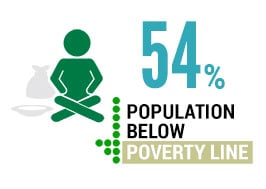
Low funding for education is one of the main obstacles for Guatemalan schools, leaving them ill-equipped to provide high-quality learning environments. And with half of Guatemalans living below the poverty line, it is difficult for families to send children to school when they need them to contribute to the family income. Indigenous Guatemalans living in the remote highlands have much less access to secondary education because of economic and transportation challenges. ChildFund and our local partners are working to give children in these rural areas the opportunity to complete their educations, with support from parents and other community members. Sponsors also play an important and often invaluable role in making further education possible.

