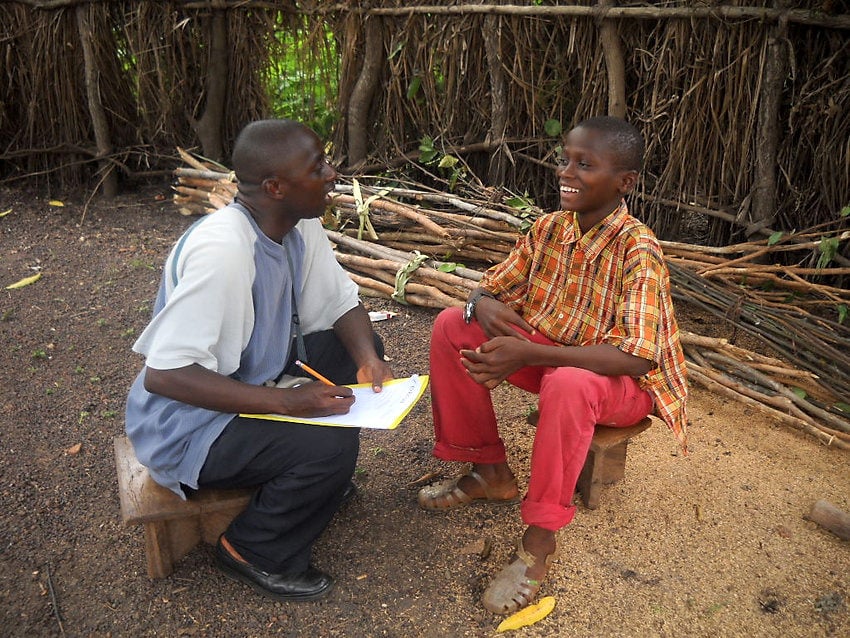
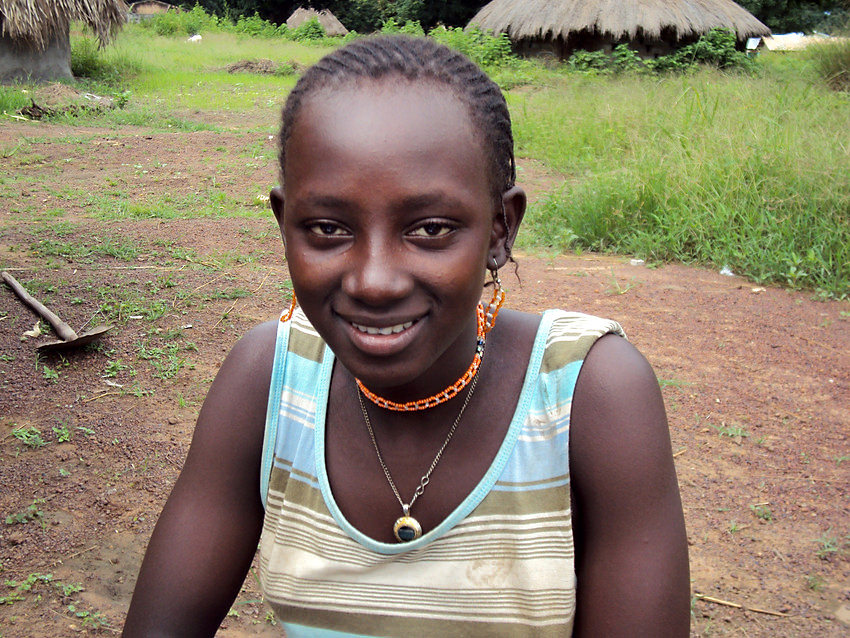
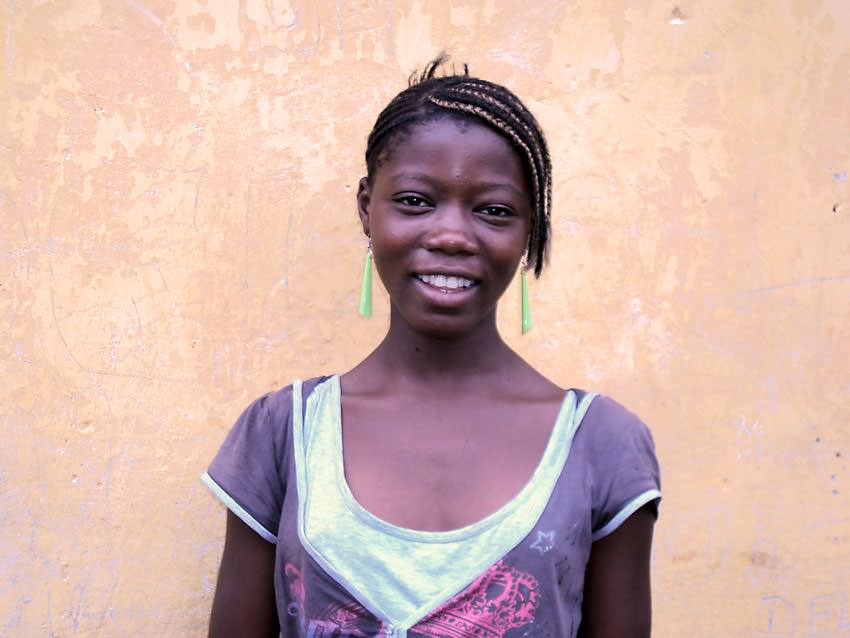
Located on the Atlantic Ocean, Guinea is one of three West African countries — including Liberia and Sierra Leone — that encountered the largest outbreak of the deadly Ebola virus in recorded history. From early 2014 to fall 2015, Guinea reported more than 2,000 Ebola-related deaths and 3,800 non-fatal cases. The outbreak caused other problems, such as the shutdown of schools and deaths from other diseases that went untreated. During the crisis, ChildFund worked with local partner organizations, community members, government agencies and other groups to spread awareness of Ebola prevention methods and help families get treatment.
Guinea has an abundance of natural resources — including gold, diamonds, iron ore and bauxite — that could contribute great wealth to its economy, but poor infrastructure and other challenges have so far prevented most people from profiting.
ChildFund has served children in Guinea since 2005. Help make a difference and sponsor a child in Guinea today.
Ages 0 – 5: Healthy and Secure
During the Ebola outbreak of 2014-2015, the youngest children in Guinea were most vulnerable, so we worked to train child-care workers and strengthen health and psychosocial services for children under the age of 5, particularly those in families affected by Ebola. ChildFund also supported Early Childhood Development centers for more than 1,500 children, and constructed three new centers, benefiting 450 children. Malaria also remains a major problem, and as part of an ongoing project, more than 550,000 children ages 5 and under, as well as 65,353 pregnant women, received insecticide-treated mosquito nets for their beds.
Ages 6 – 14: Educated and Confident
After schools were closed for months during the height of the Ebola crisis, ChildFund worked to supply schools with soap, hand-washing stations and clean water so students would be safe upon their return. We also coordinated with local government, community groups and other organizations to spread awareness of hygiene practices and other behavior that would help prevent further Ebola infections. ChildFund also provided school kits and other resources to families that had been affected by the virus. Families affected by Ebola often had their belongings destroyed to prevent the spread of the virus, so ChildFund provided school materials and resources to these families so they could rebuild their lives.
Aside from Ebola-related activities, ChildFund distributed bicycles to 200 children in 2015 and organized 200 children’s clubs, which give young people a chance to talk to peers about issues affecting them at home, at school and in their communities.
Ages 15 – 24: Skilled and Involved
More than 6,500 members of Guinea’s youth groups, which are supported by ChildFund, helped us spread the word about Ebola prevention measures to more than a quarter million people in nine communities. Often, youth were able to change attitudes and conquer pervasive and harmful myths about the deadly virus. They were able to create a bridge between frightened community members and health-care providers from outside organizations, getting sick people the help they needed.
Also, ChildFund supports youth efforts to raise awareness about early marriage and violence against children, and we provided school materials to 7,000 teens in 2015.

