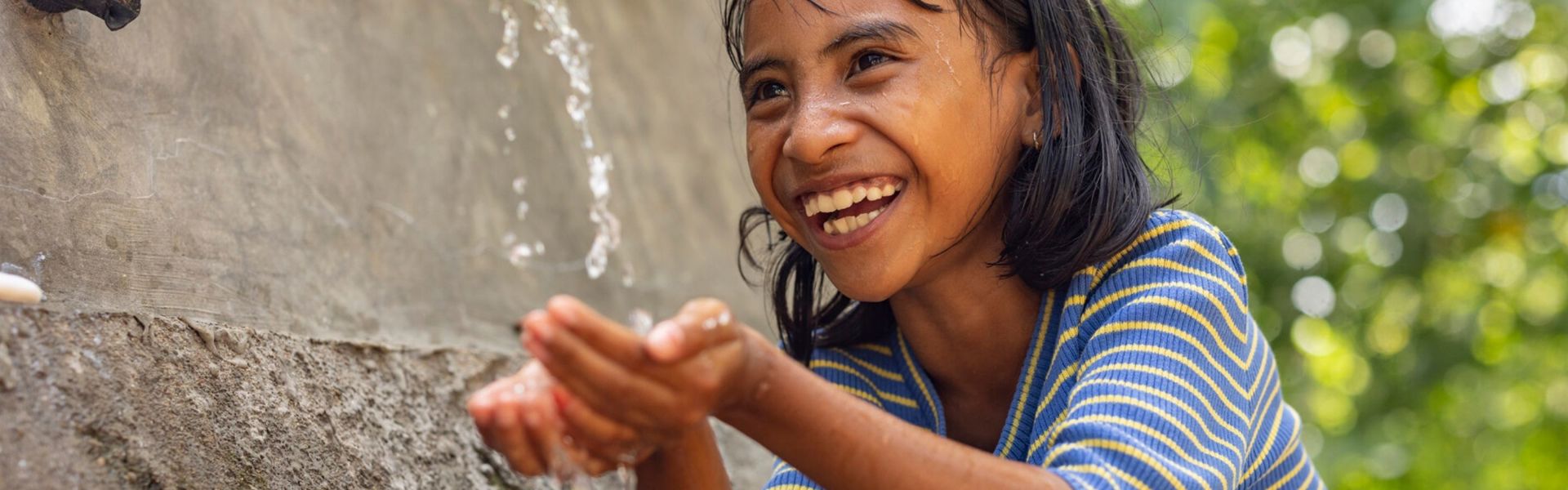
Indonesia
With your support, ChildFund has been helping kids in Indonesia get a strong start in life since 1958.
Located in Southeast Asia between the Indian and Pacific oceans, the Republic of Indonesia is the world's third-most-populous democracy and the largest Muslim-majority nation. As it is made up of thousands of islands and dozens of active volcanoes, Indonesia is particularly vulnerable to natural disasters, which have a disproportionately negative impact on marginalized communities. During the past few decades, ChildFund has expanded its work to train people in vulnerable communities how to reduce their risk during disasters and, in broader ways, be prepared to provide safe places for children in the immediate aftermath of storms and other crises.
Our Work in Indonesia
Since 1958, ChildFund Indonesia has worked through our local partner organizations to help ensure that children can grow up healthy, educated, skilled and safe.
ChildFund Indonesia helps children grow up healthy by focusing on nutrition, maternal care and disease prevention. Our programs address stunting through better nutrition, positive parenting and behavior‑change education, ensuring young children can grow and develop to their full potential. We support maternal and child health by providing families with guidance for healthy pregnancies and early childhood care. For adolescents, we offer health education so they can make informed decisions about their well-being. We also promote practices that prevent infectious diseases, helping communities create safer, healthier environments for every child.
ChildFund Indonesia strengthens children’s learning by supporting them at every stage of development. We build and support child‑friendly Early Childhood Development centers where trained teachers nurture young children’s cognitive, physical and emotional growth. As children enter school, we promote quality learning by expanding access to digital education aligned with national standards and by building teachers’ skills to support effective, engaging classrooms. Our programs also emphasize social‑emotional learning, helping children develop the confidence and resilience they need to succeed in school and beyond. In addition, we support caregivers with responsive parenting skills — rooted in communication, play and encouragement — so children receive consistent support both at home and in the classroom.
ChildFund Indonesia supports children and youth with essential life skills by strengthening both their home and learning environments. We train caregivers in positive parenting so they can create supportive, engaging households that reinforce children’s education. Our life‑skills programs teach social and financial literacy, encourage creativity through the reuse of materials, and build environmental awareness. Through Youth Forums, we foster leadership, advocacy and community responsibility, encouraging young people to participate confidently in local decision‑making. We also prepare youth for meaningful work by partnering with vocational schools to integrate soft skills into their curricula and by offering digital training, microfinance support and access to platforms like Kerjaku.org that open pathways to entrepreneurship and self‑employment.
ChildFund Indonesia works to keep children safe by strengthening protection systems at every level — from households and communities to schools and local governments. We reinforce national and community child‑protection structures using an ecological approach that brings together children, youth, caregivers and community leaders to prevent violence and exploitation. At the community level, we raise awareness of child rights, promote positive, nonviolent norms, and establish clear referral pathways so protection concerns are addressed quickly and appropriately. Our programs also support children’s mental health and resilience through psychosocial and social‑emotional learning initiatives. To address emerging risks, we promote online safety by researching cyberbullying and online sexual exploitation, running protection campaigns, and helping schools adopt strong safeguarding standards. Recognizing the growing impact of natural disasters, we also support communities with environmental knowledge, strengthen disaster‑risk preparedness and establish Child‑Friendly Spaces during emergencies. Through environmental education and hands‑on activities like clean‑ups and tree planting, we encourage children to become advocates for a safer, more sustainable future.
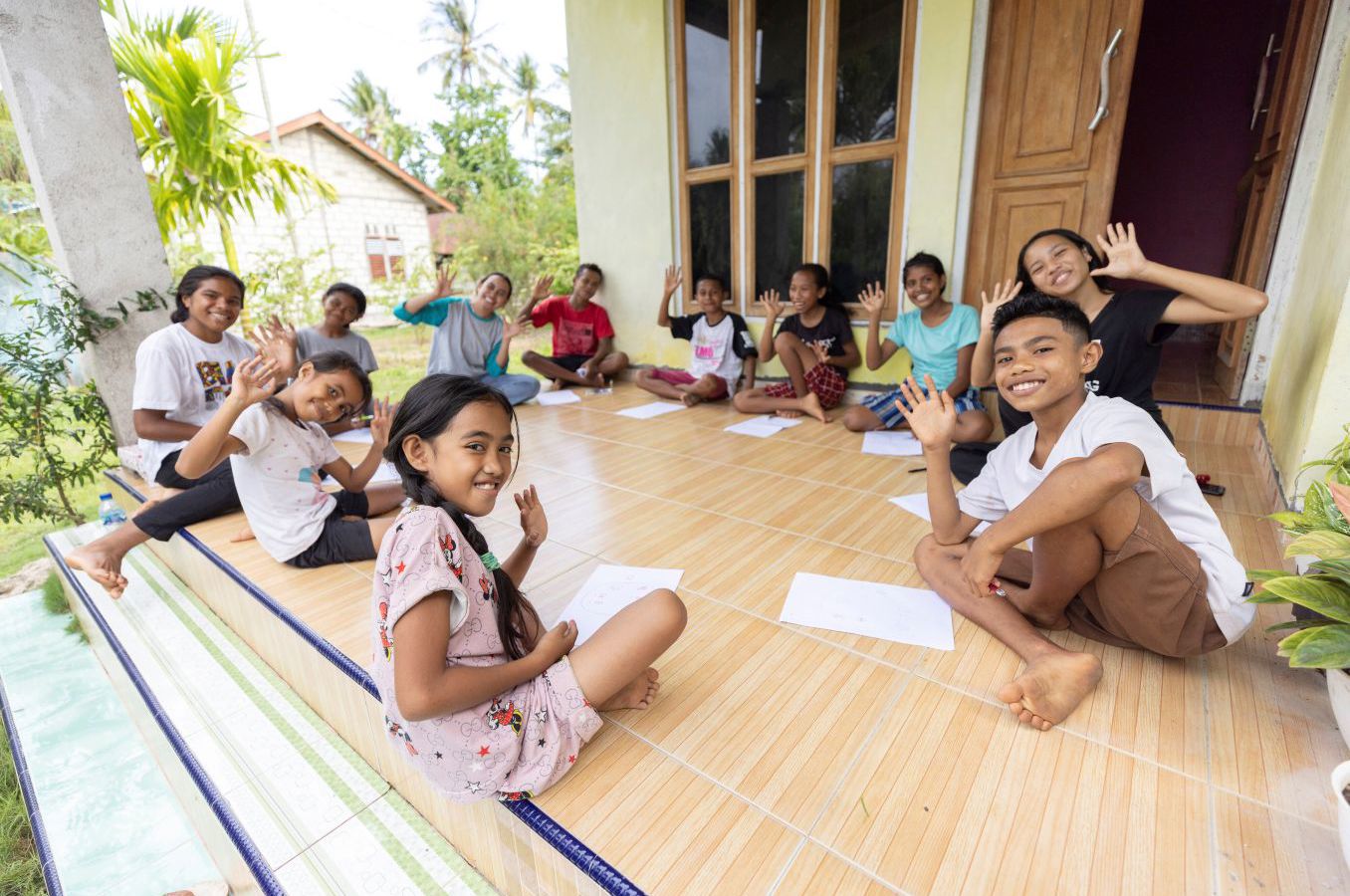
Members of a ChildFund Youth Circle on Timor Island meet to discuss challenges in their community.
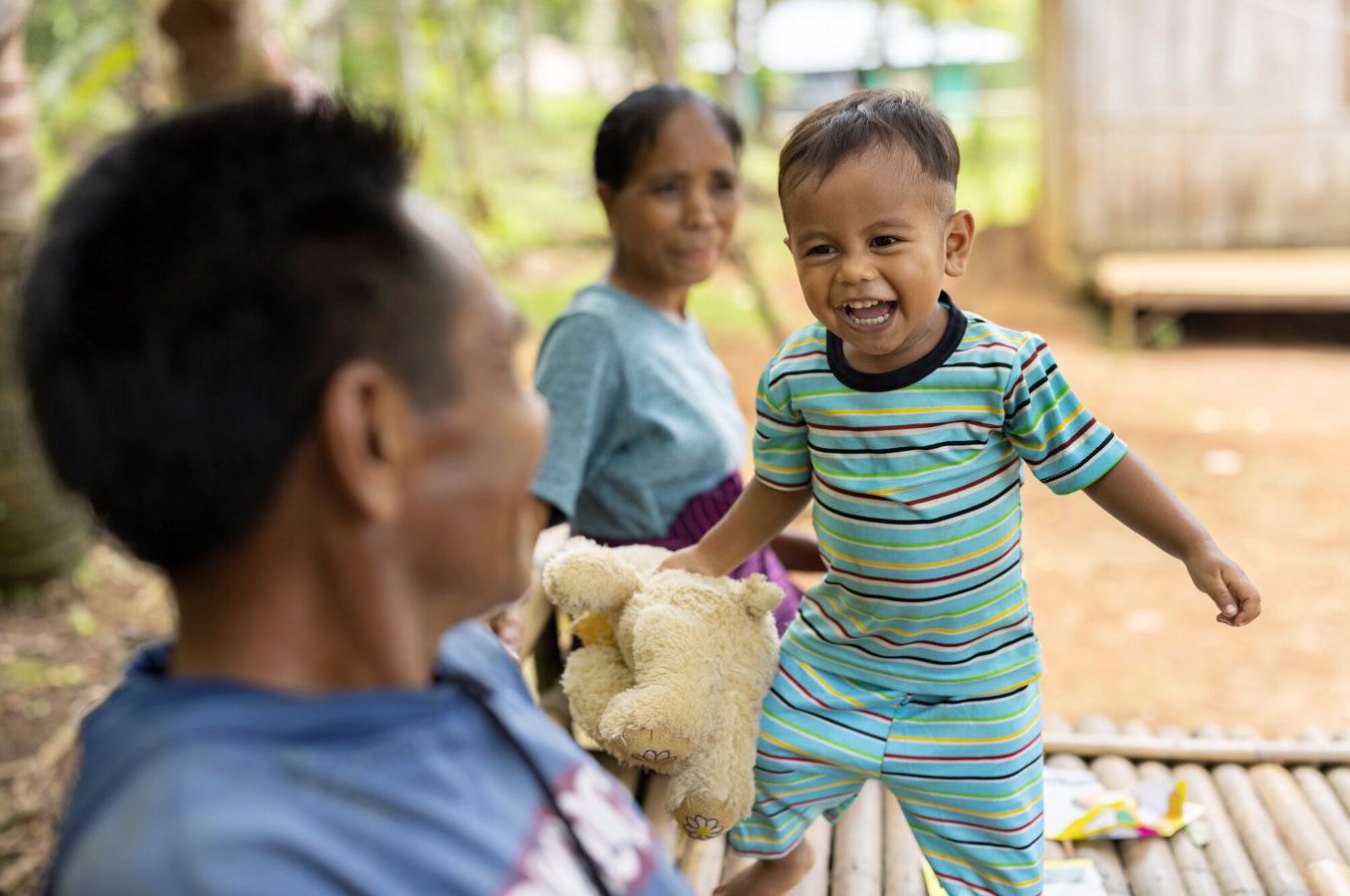
2-year-old Jovan, who overcame malnutrition with ChildFund's help, plays with his parents at home on Sumba Island.
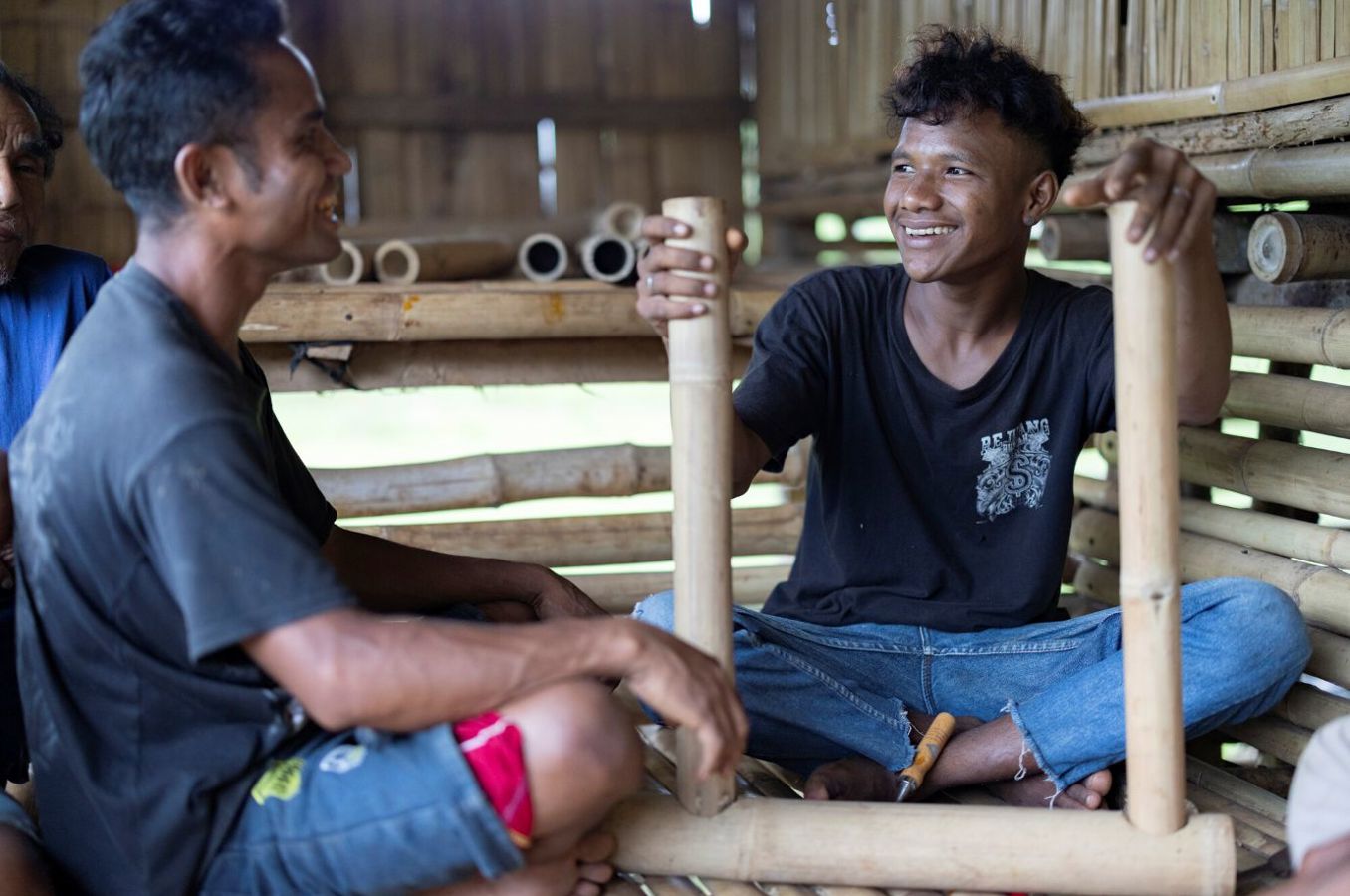
Oktavianus, 20, recently graduated from a ChildFund-supported woodworking class, where ChildFund provided the instruction, tools and equipment for him to learn to make furniture.
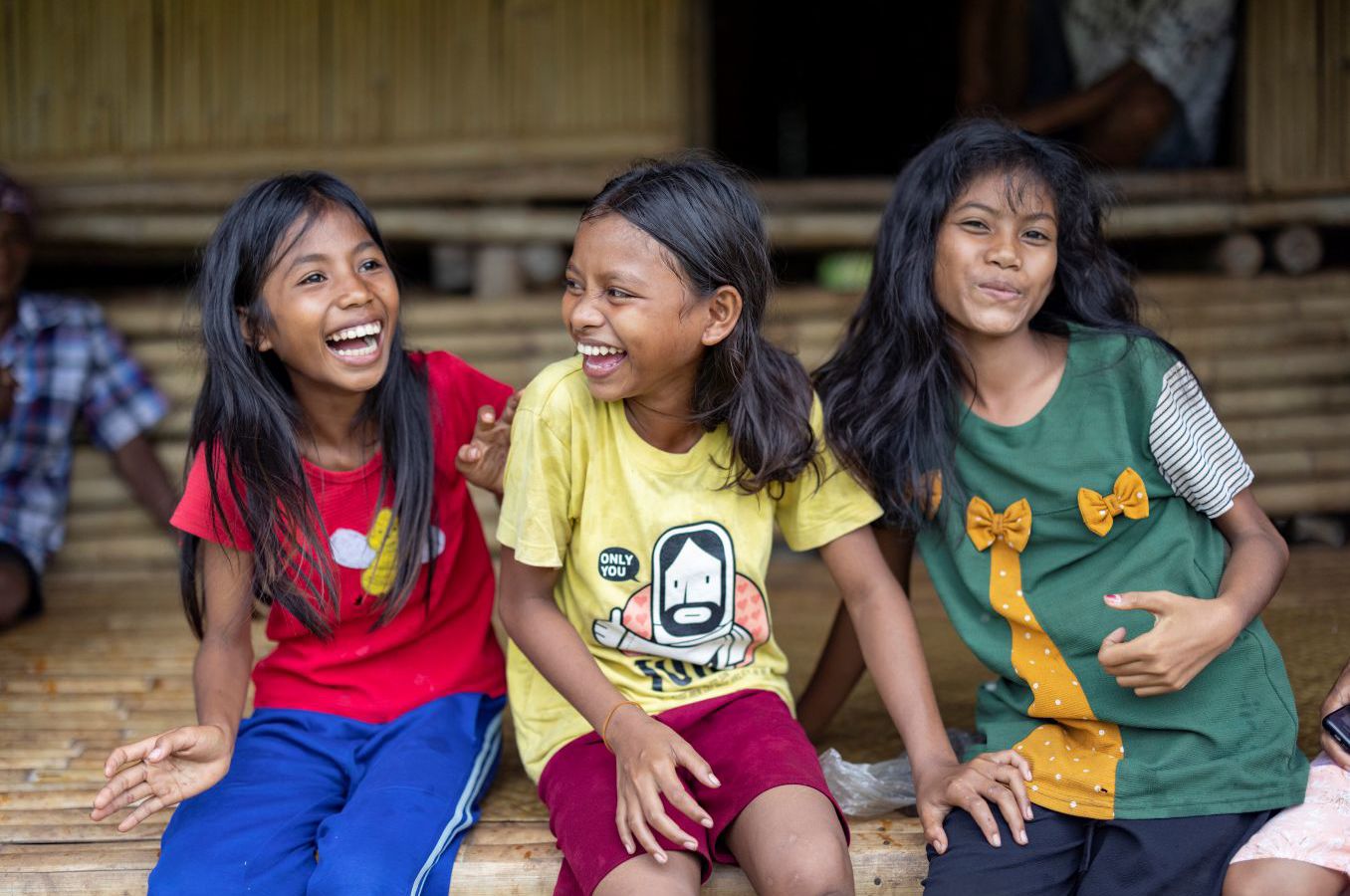
Girls in ChildFund Indonesia's programs enjoy each other.