
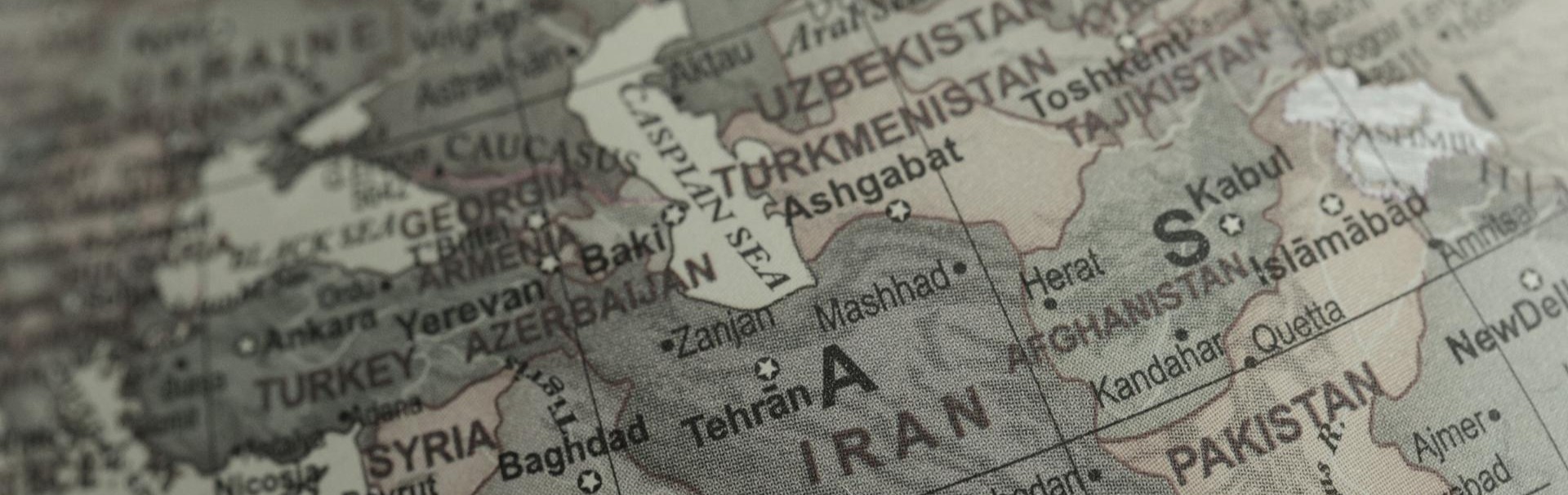
Catastrophic earthquakes struck eastern Afghanistan on August 31, killing nearly 2,000, injuring over 3,600, and reducing entire villages to rubble. Nearly half a million people need humanitarian assistance.
Children and families across Afghanistan were already struggling when the quake hit. Nearly half the population lives in dire poverty, with 857,000 children experiencing severe acute malnutrition and another 3 million acutely malnourished.
ChildFund is responding urgently, prioritizing the protection of displaced families across everything we do. Our response includes:
- Emergency shelter and non-food items, especially as winter sets in — tents, tarps, repair kits, blankets, warm clothing and heating supplies.
- Food assistance — ready-to-eat meals or cash for food, as well as livelihood protection measures (many, many families lost the livestock on which they depended).
- Water, sanitation and hygiene — restoration of community water systems, installation of emergency latrines, hygiene promotion and distribution of soap, sanitary pads and other essential materials.
Our ChildFund Alliance partner has been working in Afghanistan since 2002, with a special focus on women-headed households, which are especially vulnerable. Please donate generously today to help children who have lost everything.
How We Support Children in Crisis
In any emergency children are the most vulnerable. Here’s how your support helps.
-
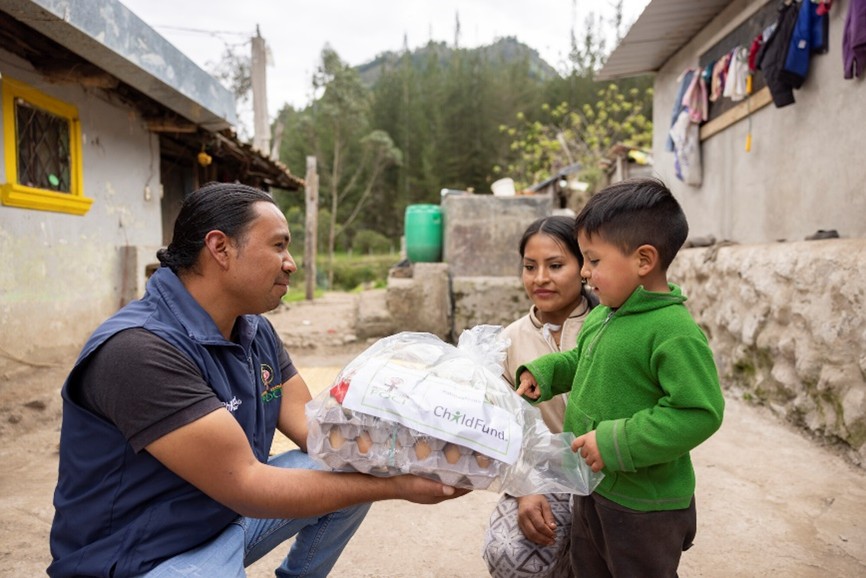
Emergency Relief
We provide relief to children, families and communities affected by emergencies in the form of food, clean water and other essentials, like blankets and hygiene kits. Depending on the situation, we may distribute these items directly to affected families or give them funds to purchase what they need most.
-
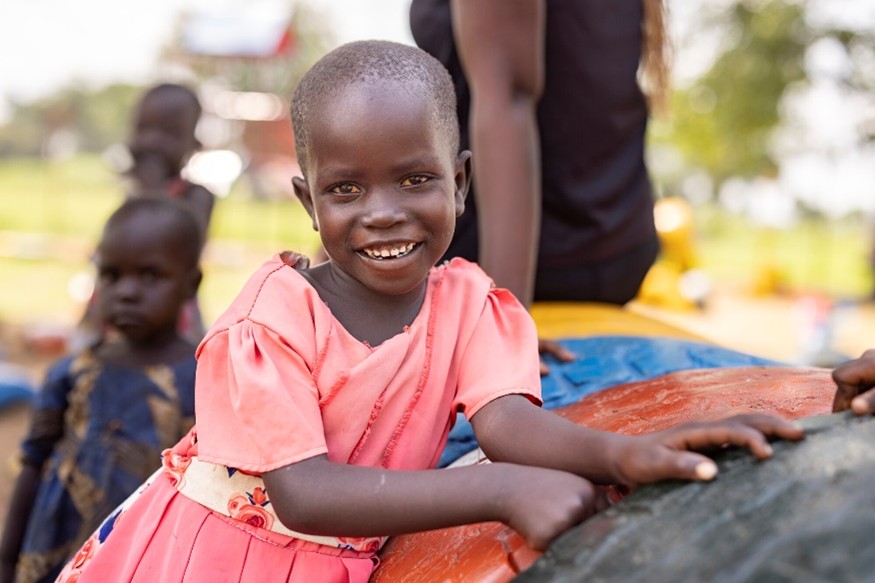
Child-Friendly Spaces
We establish Child-Friendly Spaces to give children a safe place to play, learn and just be kids – activities that are crucial to their recovery from the trauma of emergencies. These spaces protect children and allow their caregivers time to find shelter, food, water and other aid.
-
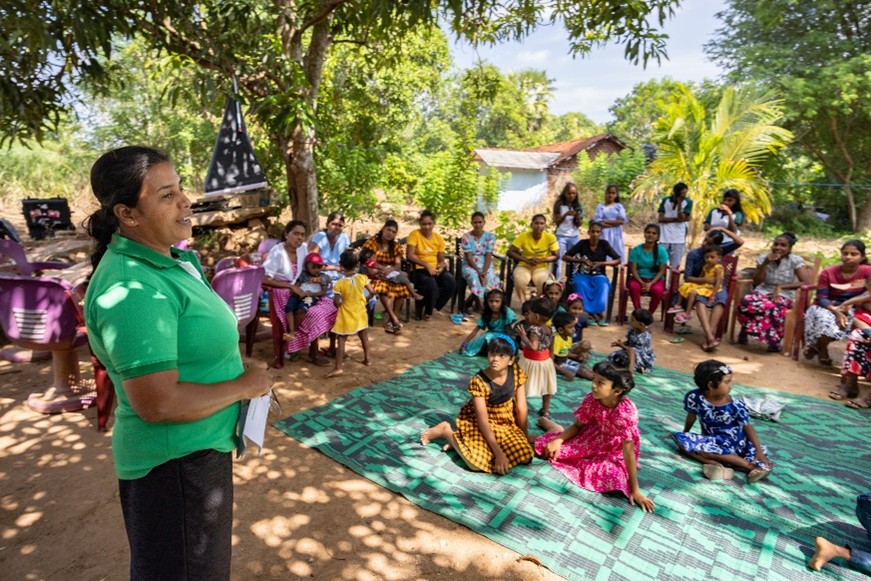
Education Support
We promote education on disaster preparedness so that when emergencies happen, children, families and communities know how to respond and can recover more quickly.
