
In any emergency – violent conflicts, pandemics, droughts and other natural disasters – children are the most vulnerable. Beyond the short-term risks they face from being separated from their families, getting hurt or even dying, children often miss school and are at increased risk of violence, neglect and exploitation. Unfortunately, in the intense chaos and demand for resources during and after a crisis, children are often the last to receive the support they need.
That’s where we come in. During emergencies, the focus of ChildFund is always on the children – on providing the things they most urgently need to survive and thrive after a disaster, including not just physical relief items but also psychological and emotional support. See just a few of the emergencies we’re currently responding to below and learn how your donations support children in crisis.
We are currently responding to the following emergencies:
-
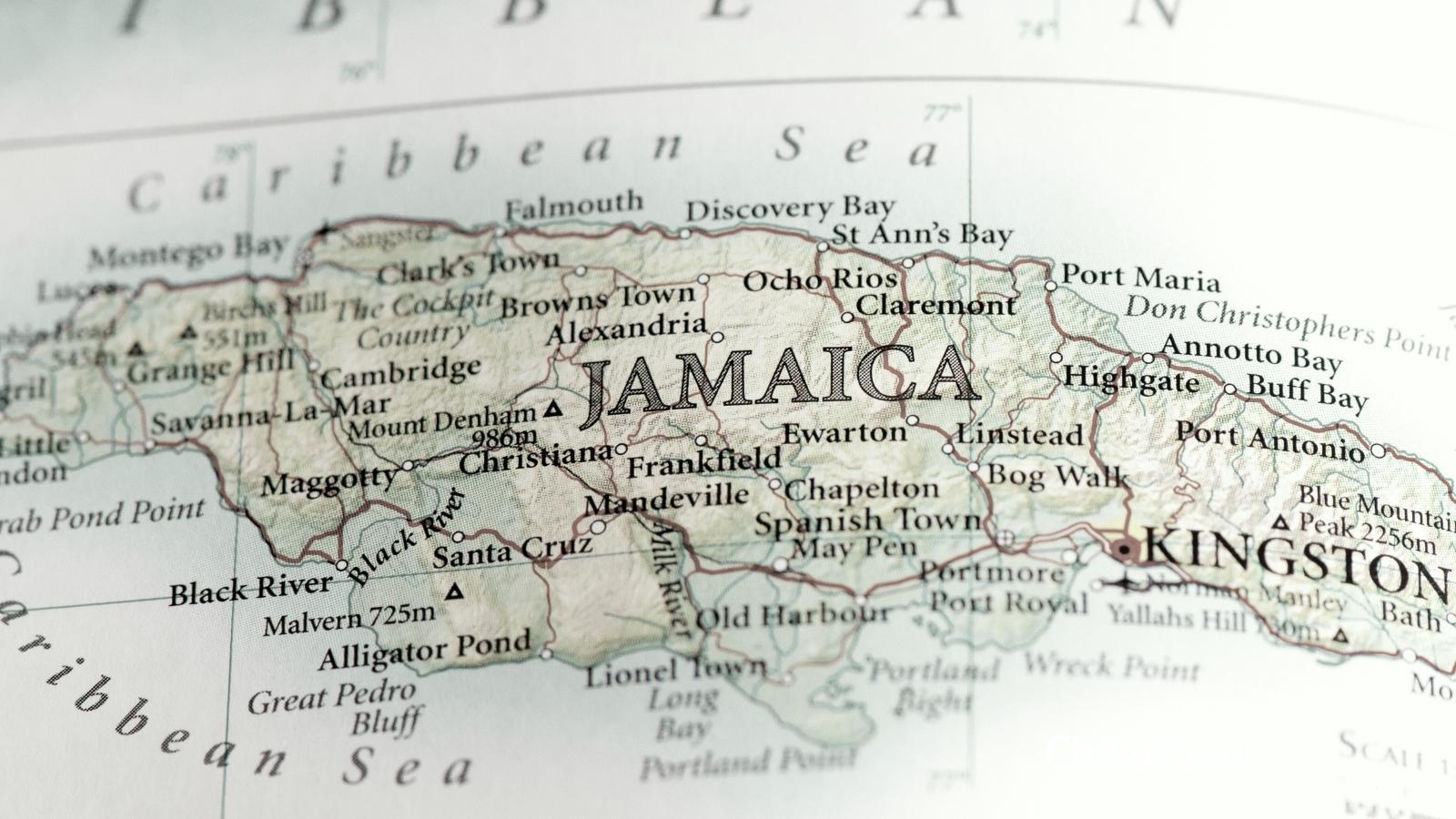
Help Children After Hurricane Melissa
As a catastrophic category 5 storm strikes Jamaica and the surrounding islands, children are facing the worst. Rush your gift to support families with emergency shelter, clean water and critical supplies.
-
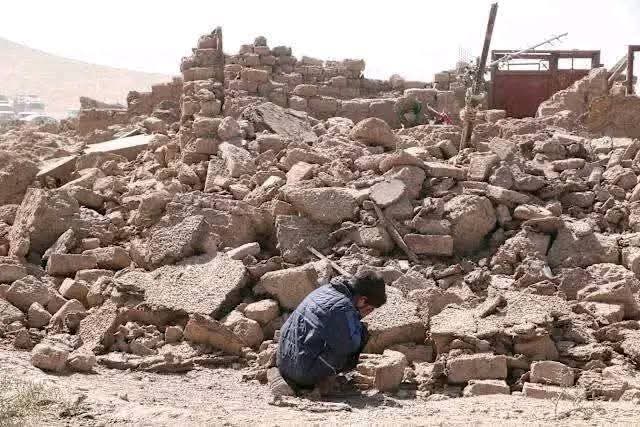
Help Children After Afghanistan Earthquake
On August 31, a catastrophic 6.0-magnitude earthquake struck eastern Afghanistan, killing hundreds, injuring thousands, and reducing entire villages to rubble.
-
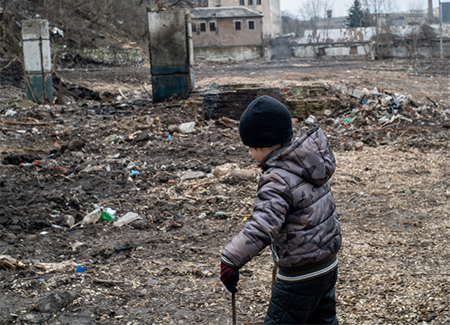
Help Children in Armed Conflict
More and more children are growing up in war zones, with their health, education and safety at stake daily. Through our partners in the ChildFund Alliance, we're working to protect and care for them.
How we support children & families after emergencies:
to children, families and communities affected by emergencies in the form of food, clean water and other essentials, like blankets and hygiene kits. Depending on the situation, we may distribute these items directly to affected families or give them funds to purchase what they need most.
to give children a safe place to play, learn and just be kids – activities that are crucial to their recovery from the trauma of emergencies. These spaces protect children and allow their parents time to find shelter, food, water and other help they need.
on disaster preparedness so that when emergencies happen, children, families and communities know how to respond and can recover more quickly.
