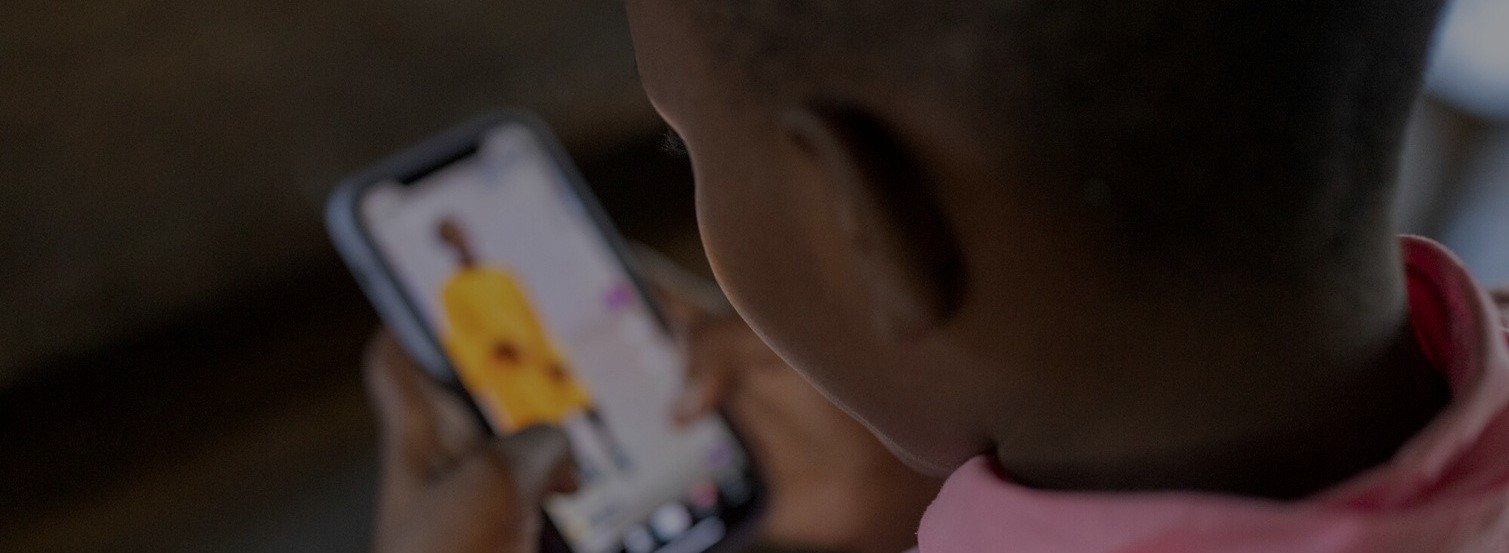
Online sexual exploitation and abuse of children is one of the fastest-growing crimes in the world.
In recent years, the amount of child sexual abuse material, or CSAM, has exploded online. Whether it takes form as photographs, pre-recorded videos, livestreams or AI-generated content, all CSAM shares one common truth: Someone abused a child in the process.
In 2024, there were 20.5 million reports of suspected child sexual exploitation, including over 62.9 million distinct images, videos and other files. Globally, more than 300 million children have experienced online sexual exploitation and abuse, which research shows is severely underreported.
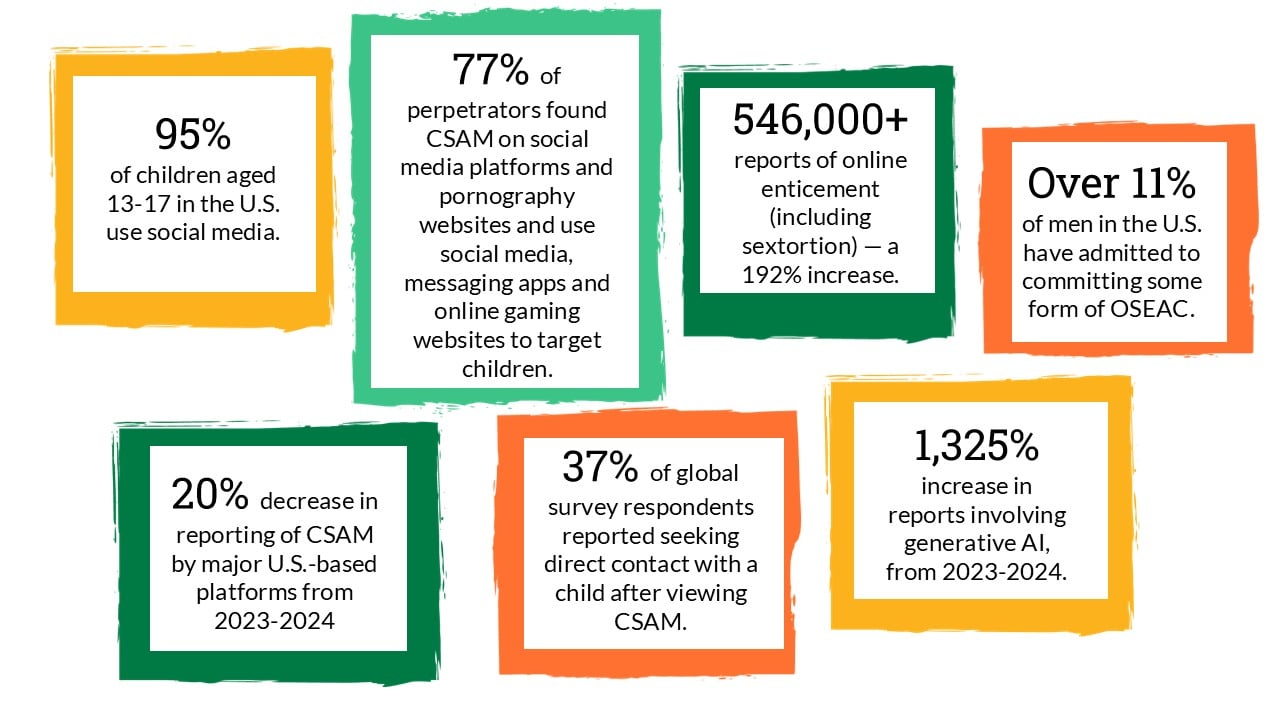
In the U.S., there are few requirements on tech companies to proactively detect, report and remove CSAM. Although U.S.-based companies are legally required to report instances of CSAM to the National Center for Missing and Exploited Children’s CyberTipLine, there are still no laws that require them to look for such content on their platforms. Without regulation to hold them accountable, these companies have made minimal progress in addressing online abuse and exploitation of children. There has also been a concerning decrease in reporting from major platforms. While there is bipartisan support for legislation to address this growing crisis, pushback from tech lobbyists and privacy advocates leveraging inaccurate messaging and scare tactics continues to delay meaningful action from Congress. The decline in reporting highlights the continued need to push Congress for stronger laws requiring companies to transparently report CSAM and other child abuse and exploitation on their platforms.
We can put an end to these insidious crimes against children. But first, we must raise awareness of their prevalence; educate children, youth, caregivers and trusted adults on online risks and protection best practices; get more and better data on the issue; and fight for stronger laws to protect children.
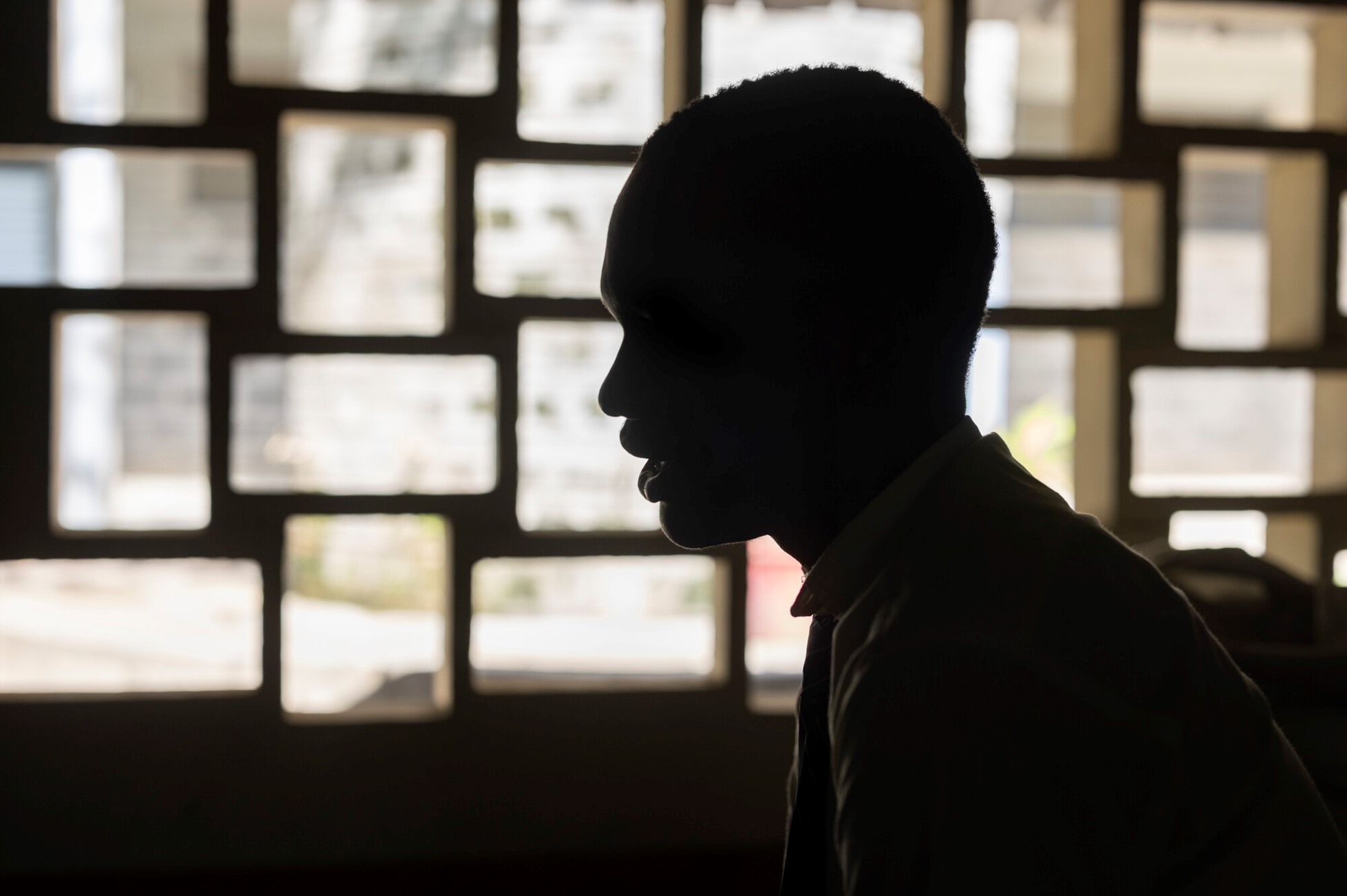
I was filled with anger. I was depressed. It really disturbed my mind. It disturbed my studies. That’s when I decided to tell my teacher.
— 16-year-old OSEAC survivor in Kenya
Our Approach
We use a rights-based, trauma-informed and survivor-centered approach, with a focus on safeguarding, in our online child protection programming and advocacy. We are guided by three intervention strategies:
- Individual level: We develop targeted prevention and response programs that put children’s and young people’s voices at the center.
- Community level:We help communities strengthen the protection capacities of both formal and informal local child protection systems.
- National level and beyond:We advocate for the enactment, implementation and enforcement of critical online safety policies at the global, national and local levels.
Learn More: Preventing Online Sexual Exploitation and Abuse of Children (OSEAC) and Promoting Online Safety: Organization Guidance for Designing and Implementing Interventions (2023)
ChildFund's Online Protection Strategy 2025-2030
Systems Strengthening
At the community level, we support communities to strengthen both informal and formal child protection systems. We also advocate for national and local governments to fill existing prevention and response policy gaps.
Through U.S., country-level, regional and global campaigns and advocacy efforts, we have taken the lead on moving legislation to support safety-by-design internet policies, hold tech companies accountable and provide resources for law enforcement entities to prosecute offenders.
Examples of systems change we have contributed to include:
- Brazil: Digital Statute for Children and Adolescents (ECA Digital) (Law No. 15.211/2025)
- The Take It Down Act 2025
- The REPORT Act 2024
- African Union: Memorandum of Understanding
- Anti-Online Sexual Abuse or Exploitation of Children (OSAEC) and Anti-Child Sexual Abuse or Exploitation Materials (CSAEM) Act
- Ecuador: Naveguemos Seguros
- Guatemala: DECRETO NÚMERO 11-2022
- Kenya: The Children Act 2022
- Philippines: Shut Down OSEC Campaign
- S.: REPORT Act 2024
Helping Youth Use Their Power
Peer-to-peer education and centering children’s and young people’s voices around solutions is a critical part of our approach. In countries like the Philippines and Kenya, we engage youth by training peer educators. Amplifying the voices and perspectives of survivors and experts who have relevant lived experience is also key to identifying effective solutions.
For instance, the #MiVozExige #SeguridadDigital (#MyVoiceDemands #DigitalSafety) program in Mexico is helping children and youth use their voices to push duty bearers to do more to protect children online. In middle and high schools, children and youth learn how to analyze situations and problems in the online environment, develop solutions and engage duty bearers in their communities to bring about positive change.
In the Philippines, PROJECT Children AWARE: Children Amplifying Youth-led Advocacy to Work Together Against the Rise of Online Sexual Exploitation of Children in Mindanao aims to develop communities where adults, children and youth are part of the solution in combating the online sexual exploitation of children through recruiting, training and engaging youth leaders to expand the network of youth advocates.
Vigilance on Emerging Threats
Online sexual exploitation and abuse of children (OSEAC) is evolving into new forms as perpetrators adopt innovations such as generative artificial intelligence (AI) and extended reality (XR) to create CSAM and groom and abuse children. We are monitoring the trends in these new technologies and considering their implications throughout our advocacy and programmatic work.
Explore Our Impact
-
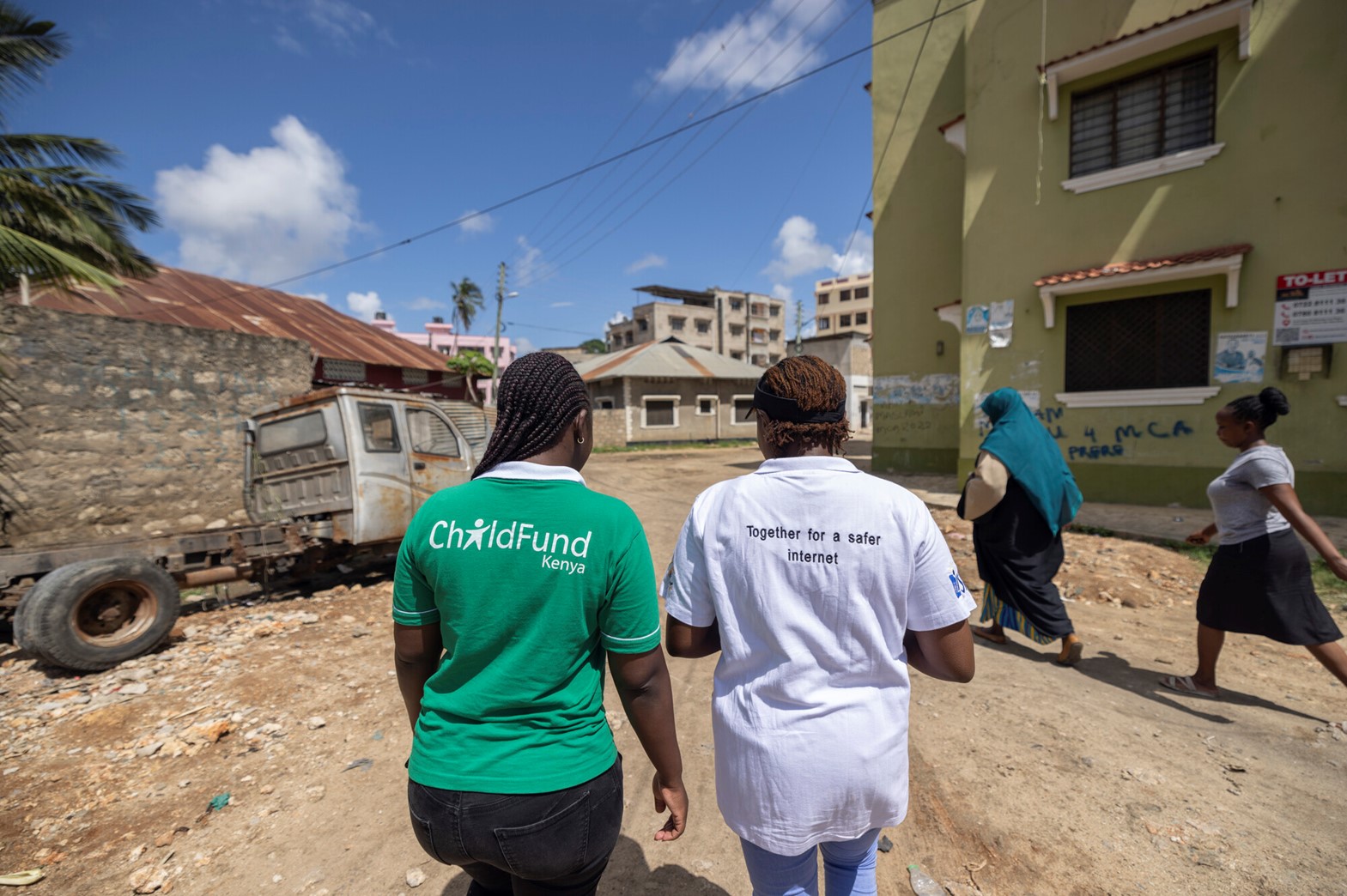
Ending online violence in Kenya
ChildFund partnered with Google in 2021 to launch an online safety project with the Communications Authority of Kenya, telecom leaders and civil society organizations, the first comprehensive campaign of its kind. In 2022, our Kenya team received a $1 million grant from the End Violence Fund to lead a 3-year project, Safe CLICS, to strengthen government capacity to prevent & respond to OSEAC, raise public awareness and improve connections to reporting and referral services.
-

In the Americas, monsters are real
Expanding on ChildFund’s #TakeItDown campaign in the U.S., the ChildFund Americas team launched #MonstruosSonReales to raise awareness, educate and mobilize the public around online child sexual exploitation and abuse. The campaign offers free resources to help parents, caregivers and the community act as digital guardians and help children and youth learn how to protect themselves online.
-
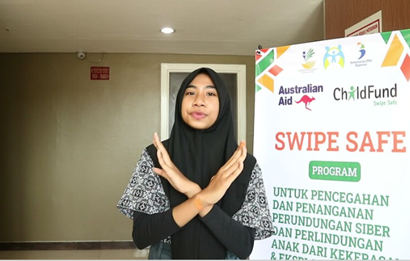
Improving digital literacy in Indonesia
ChildFund has partnered with ChildFund Australia to implement Swipe Safe, a comprehensive program aimed at building children’s and youth’s digital literacy to support their safe navigation of and engagement with the online world. ChildFund also recently published a report, Insight on Cyberbullying & Online Sexual Exploitation and Abuse of Children and Youth in Indonesia, which examined children’s online behaviors and exposure to online risks.
Advocacy Spotlight: U.S. Campaign to #TakeItDown
In 2023, the #TakeItDown campaign was launched to hold tech companies accountable for allowing child sexual exploitation and abuse to proliferate online. Since then, we have seen significant momentum in the U.S. Congress to pass legislation that will lead to a safer internet for children everywhere.
We garnered bipartisan support during the Senate hearing on January 31, 2024, with Big Tech CEOs and elevated the voices and experiences of survivors and survivor parents, highlighting the critical urgency of this issue. The REPORT Act was signed into law, further strengthening our efforts to combat online abuse. The Kids Online Safety Act (KOSA) successfully passed the Senate, marking a major step forward in protecting children online. Finally, the Take It Down Act, aimed at protecting and empowering victims of real and deepfake non-consensual image sharing, passed the Senate Commerce committee.
Most importantly, our movement has been driven by the powerful voices of survivors, whose stories and advocacy have been at the heart of our progress.
Contacts
-

Jess Leslie
Director, Online Protection Programs JLeslie@ChildFund.org
-

Danielle Lilly
Director, Policy DLilly@ChildFund.org
-
Erin Kennedy
Vice President, External Affairs and Partnerships EKennedy@ChildFund.org
