Site will be
unavailable for maintenance from June. 4, 11:30 p.m., to June 5, 12:30 a.m. ET. Thank you for your
patience!
Inside a ChildFund robotics program in Brazil
Posted on 10/22/2025
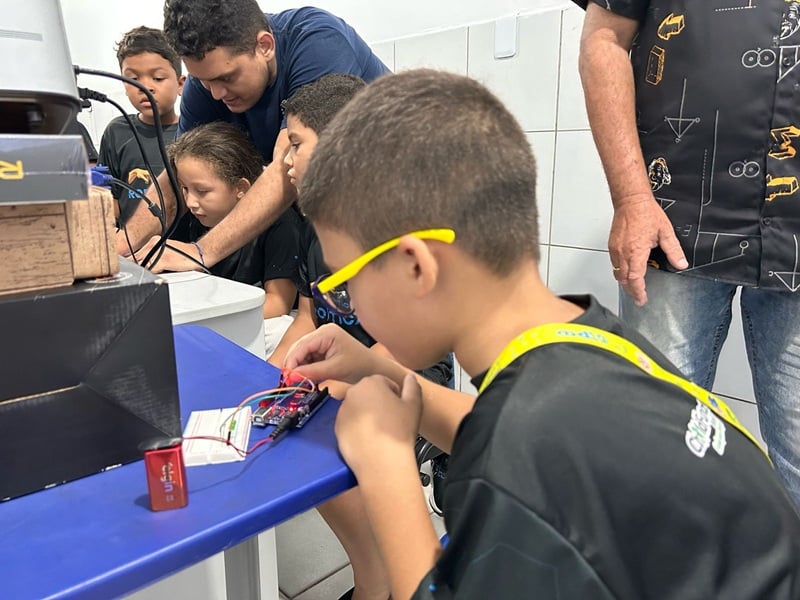
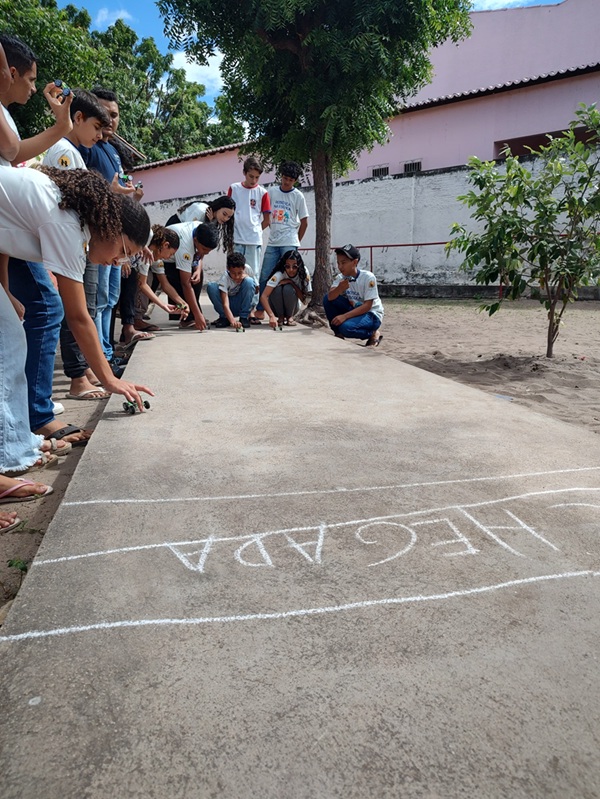
If you walk into a classroom where ChildFund Brazil is running one of its robotics workshops, you’ll see a scene unfolding that looks much like any STEM class here in the U.S.: small hands deliberating over tiny bundles of wires, students and teachers assembled in circles to prototype and problem-solve, eyes lighting up as children gather to race a smattering of colorful, solar-powered cars they built themselves.
The difference? This is often a once-in-a-lifetime opportunity for these children and youth, many of whom have never taken a hands-on science class before.
In certain parts of Brazil – especially rural areas – STEM (science, technology, engineering and mathematics) classes are often difficult to access. Although the country has identified these classes as critical in preparing students for an increasingly tech-driven workforce, there have been very few updates to rural classrooms and little training for teachers on how to teach these lessons effectively. That makes it next to impossible for even the most passionate students to study science in college or pursue careers in STEM fields.
The ChildFund robotics workshops, funded by The Elfenworks Foundation, are now changing all that for children at nine schools across Brazil. And it all started with a letter from a sponsored child.
The need for improved science education in Brazil
In 2023, Érica, a child in our programs in rural southeastern Brazil, wrote a letter to her sponsor explaining that while she wanted to pursue a career in veterinary science, there were no advanced science classes available at her school.
Her sponsor happened to have a connection at The Elfenworks Foundation, a California-based foundation whose work centers on fueling hope through education and innovation.
“We are in harmony with hope,” says Lauren Speeth, Ph.D., Founding CEO of the foundation. “That means we work with organizations who are creatively fostering hope. We believe that it is transformed people who can transform the future in hopeful ways.”
The Elfenworks Foundation worked with ChildFund Brazil to determine how they could best support students at Érica’s school with improved STEM education. When they decided to move forward with a robotics course, Érica was thrilled – and hopeful for the future, indeed.
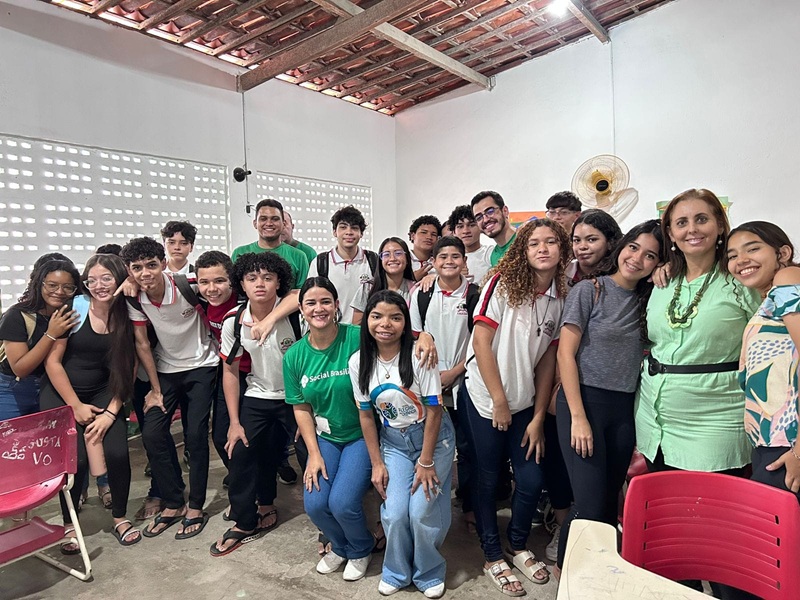
That first project equipped the science classrooms at her school with everything from microscopes to laptops to small robots made of recycled plastic – then trained four teachers and 11 students on how to operate them. The renewed excitement to learn that resulted was contagious.
“You can’t imagine how much this course has contributed to all of our education by bringing hands-on science into the classroom,” Érica says. “We learned new and different things, and my class and I loved every part of it.”
That project, completed in November 2023, was just the beginning.
Scaling the impact of science education
With the tremendous success of the robotics program at Érica’s school, the team at The Elfenworks Foundation decided they wanted to scale their impact to reach even more children and youth in need of an improved science curriculum. A second project, completed in March 2025, has allowed ChildFund Brazil to implement a robotics program in another school, this time in a low-income urban neighborhood in northeastern Brazil. Today, a third project is reaching seven additional schools for a combined impact on nearly 3,200 young minds.
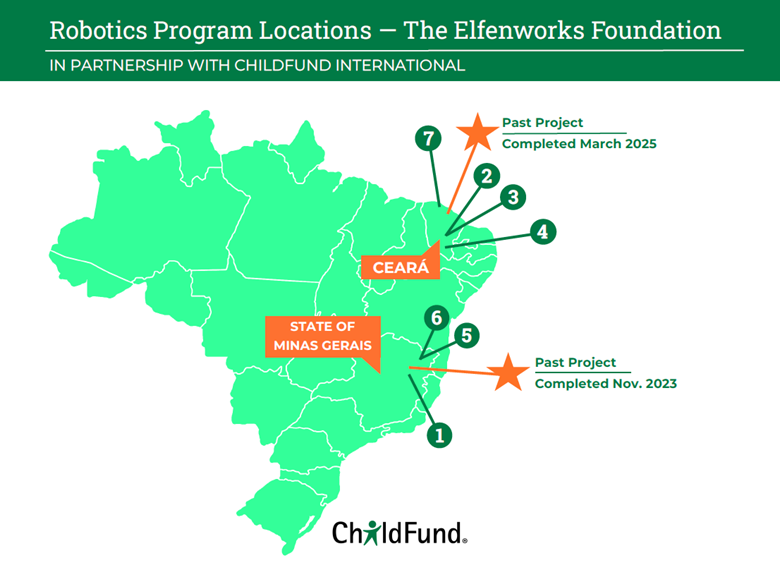 A map shows the nine schools impacted by The Elfenworks Foundation project to date.
The project’s activities focus on three key areas:
- Enhancing classrooms with equipment and supplies. Materials like computers, science equipment, general school supplies and, of course, actual robots and robotics kits are purchased from local companies to enhance children’s daily science lessons, allowing them to learn and perform more advanced, involved experiments.
- Teacher and peer educator training. Teachers and a small group of peer educators receive training on how to utilize the robots and robotics kits. These trainings prepare teachers to set robotics challenges for students to complete in class, as well as teach students how to program them.
- Robotics workshops for students. Workshops during the project launch teach students how to assemble robotics kits, program their robots and complete challenges. These workshops not only expose youth to new technology, but they also teach basic programming and problem-solving skills. After the initial workshops, the robots are integrated into the science curriculum by school administration and teachers.
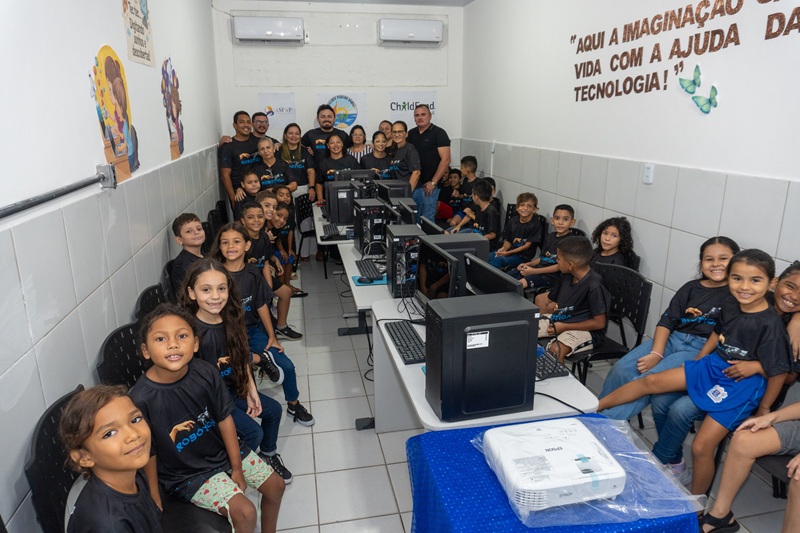 Robotics students in the computer lab.
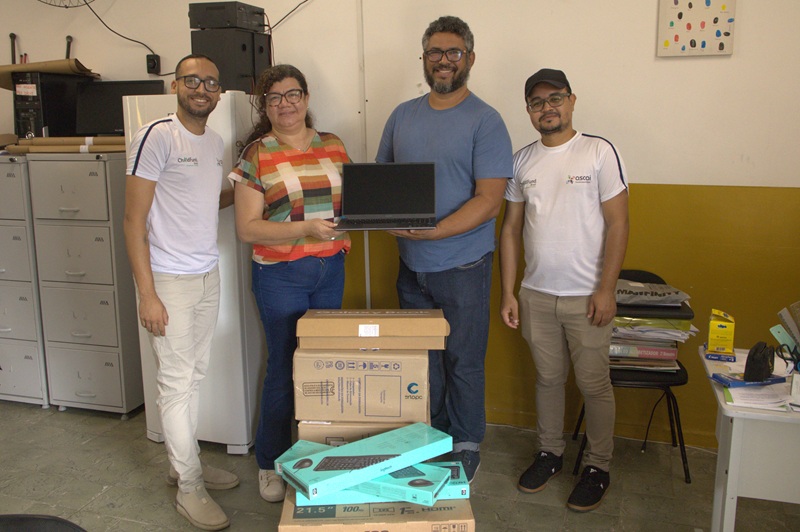 Teachers show off their new laptops.
Ken Tam, CEO of The Elfenworks Foundation team, reports all the team and trustees have been “blown away” by the enthusiasm for the project – not only among the students, but also the teachers.
“The teachers are so interested and excited,” he says. “That just bodes well for the relationship between the kids and teachers in the forthcoming years of science education – how hungry these teachers are to do something. And how a little bit of resources can make all the difference.
“Those students won’t all go on to do robotics, but they’ve gotten a taste for something that is so different. It’s a good way for them to start asking themselves, ‘What else can I do that’s different?’”
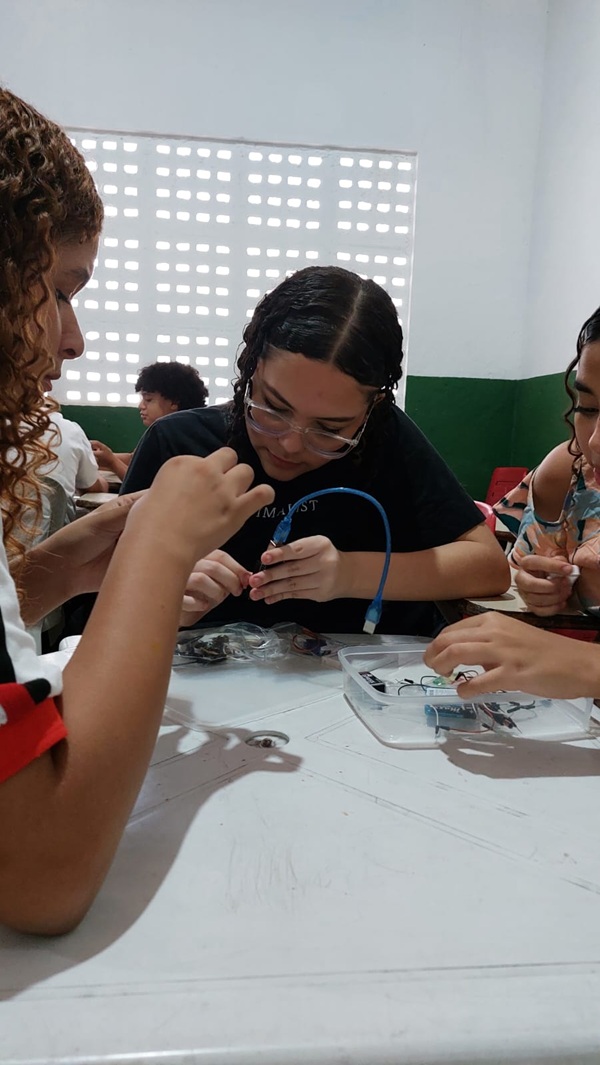
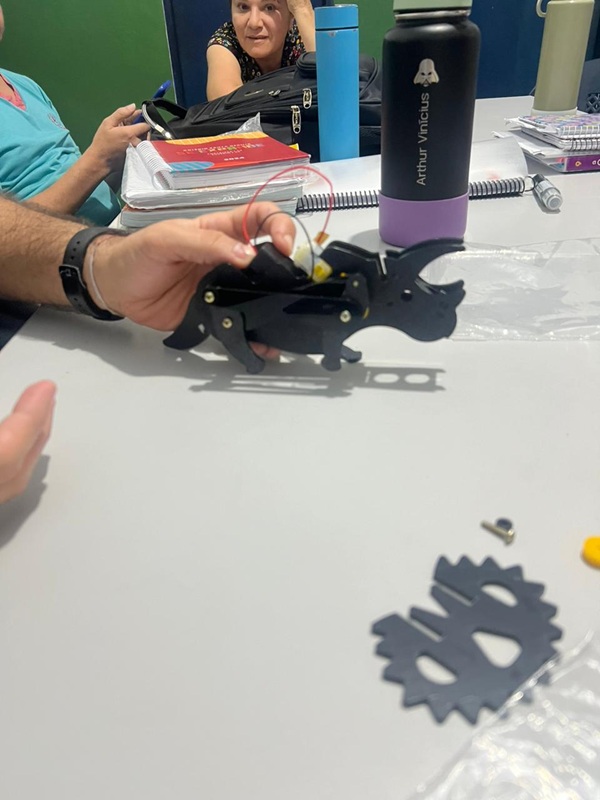 Students work to assemble robotics kits. These kits are designed to be easily disassembled after the initial group of students participate in workshops; they are then reassembled and reprogrammed by each subsequent class, then taken apart to be used again.
The students themselves have a lot to say about how the program is opening their minds.
“Those were the two best days of my life!” says Thays, a student at one of the implementing schools, of the launch workshop. “I didn’t know much about robotics, but after the project, I started to love it.”
“I loved my robotics class,” agrees another student, Maria Vitória. “What I liked the most was the solar toy car. I had to have a lot of patience with the screws and other pieces because they were so small, but everything went well. When we put the car on the ground under the sunlight, it started to work!”
Beyond the teachers’ and students’ shared eagerness to learn, Lauren says that it is the flexibility and creativity of the ChildFund team that have helped make the project so successful.
“ChildFund cares enough about the kids that they’re going to go off the beaten path to do something new and different,” she says. “They’re not just rigidly following a protocol. They’re creative. For the whole team here at The Elfenworks Foundation, that was so delightful and heartening.
“We’ve done a lot of different things with a lot of different groups all over the world,” she adds. “This is one of the ones that brings us so much joy. Each one of those kids got that chance to learn something new, and it will never be taken away from them. That’s how STEM education is – it just ripples forward.”
Want to explore how your partnership can make an impact that’s felt for generations? Email us at questions@childfund.org.
Loading...
