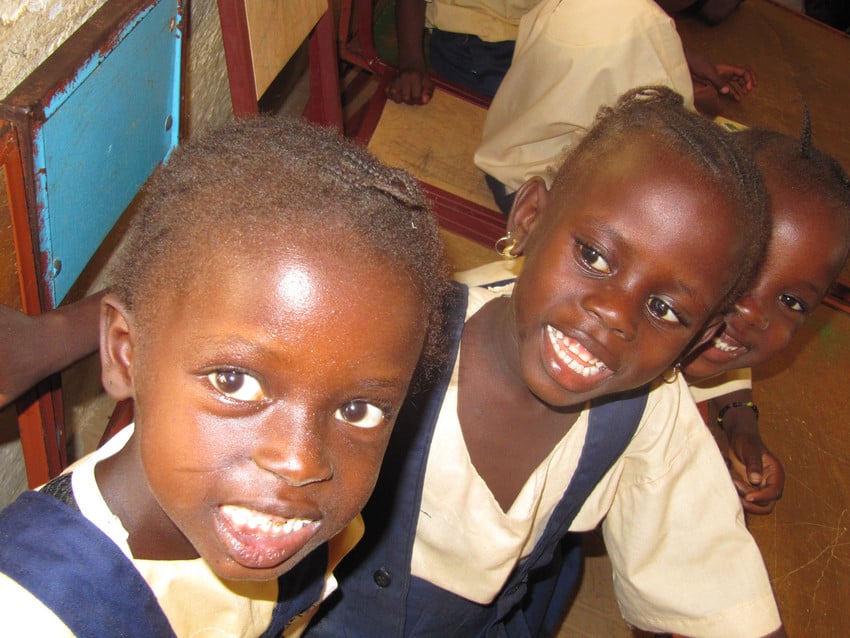
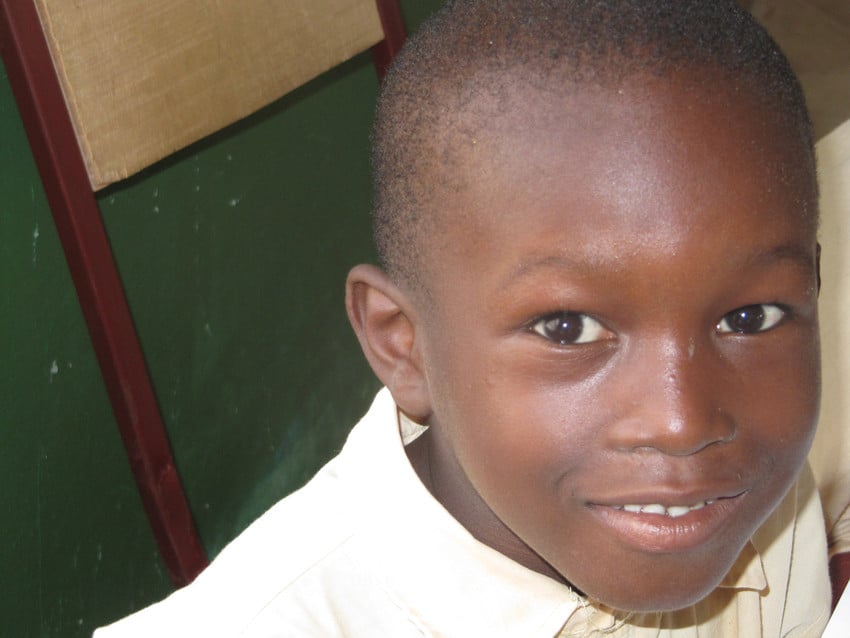
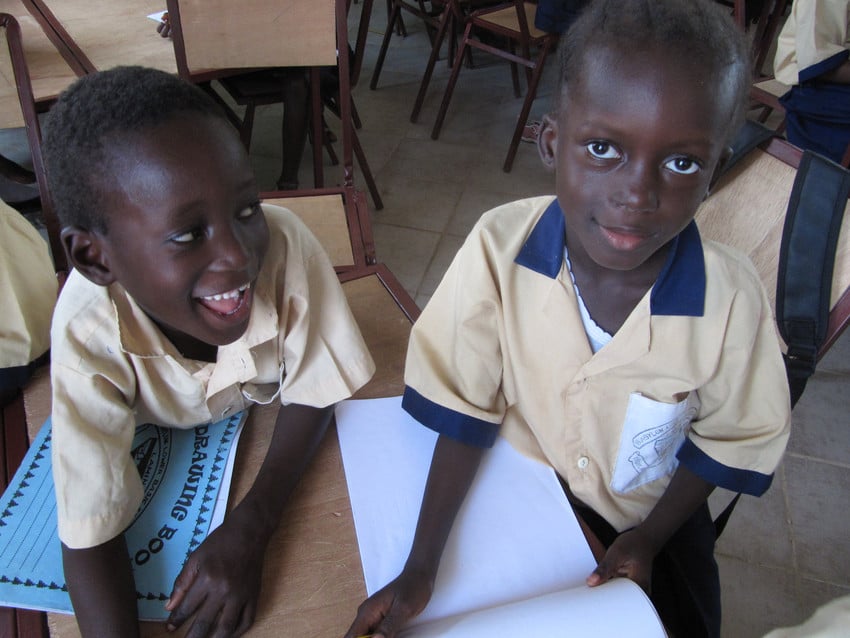
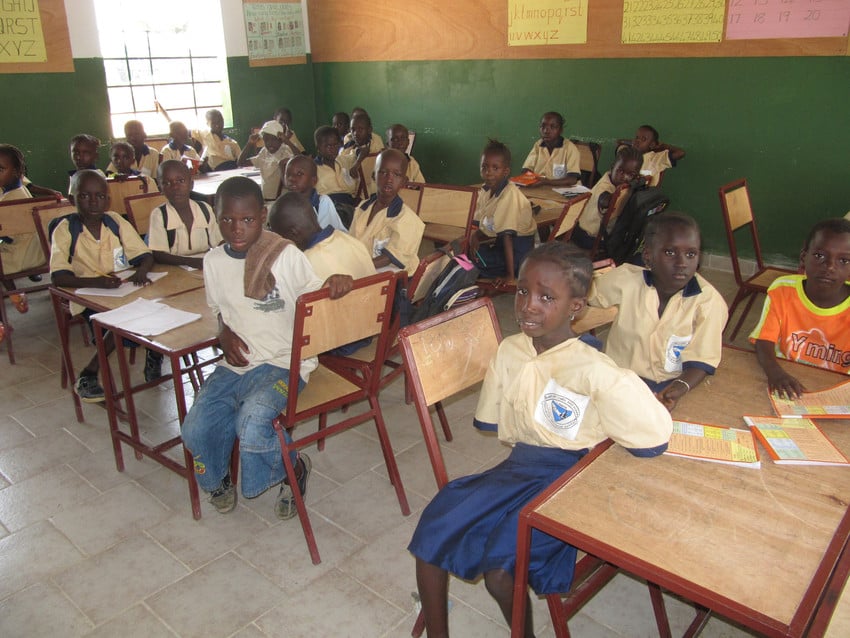
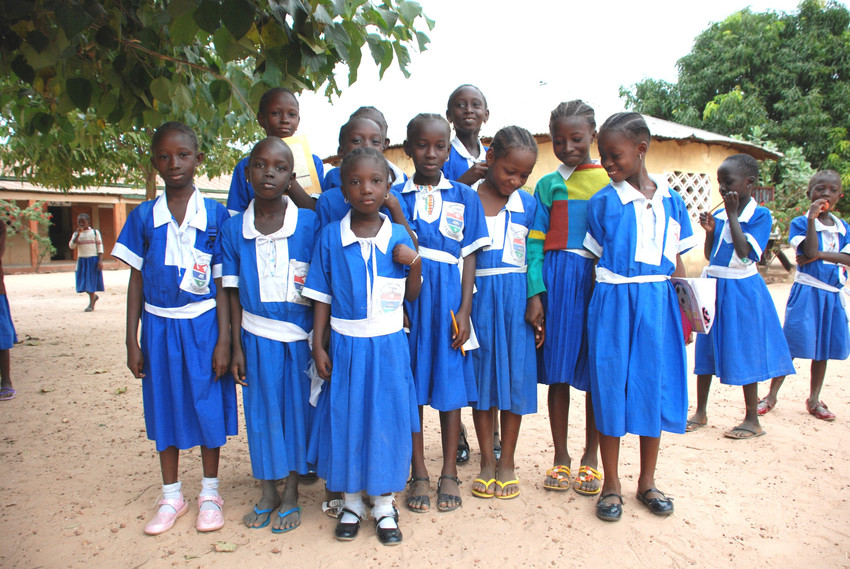
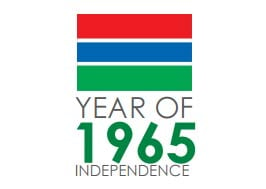
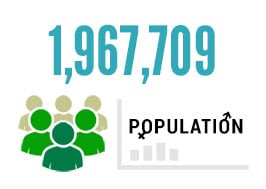
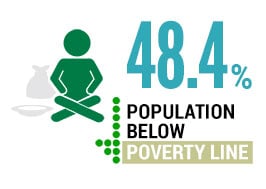
One of Africa’s smallest countries, The Gambia relies on tourism dollars from its coastal resorts to keep its economy afloat. It has few natural resources and many economic challenges that affect children, youth and women the most. ChildFund works in the west coast region, where most of the population lives below the poverty line.
ChildFund has served children in the Gambia since 1984. Help make a difference and sponsor a child in The Gambia today.
Ages 0 – 5: Healthy and Secure
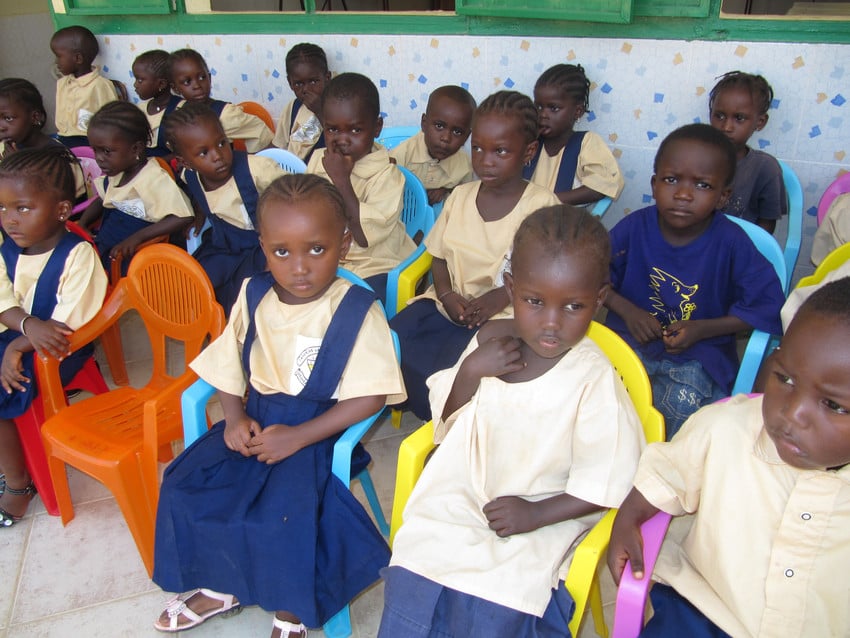
The Gambia has a high under-5 mortality rate: 74 children per 1,000 live births. To improve infants’ health, ChildFund and our local partner organizations take several approaches, including providing families with nutritious, locally available grains, vegetables and seeds; training birth attendants and health workers in monitoring young children’s growth; and opening early childhood development centers in 32 communities. We also worked with ECD facilitators and mothers to help them create safe toys out of recycled and other locally available materials.
Age 6-14: Educated and Confident
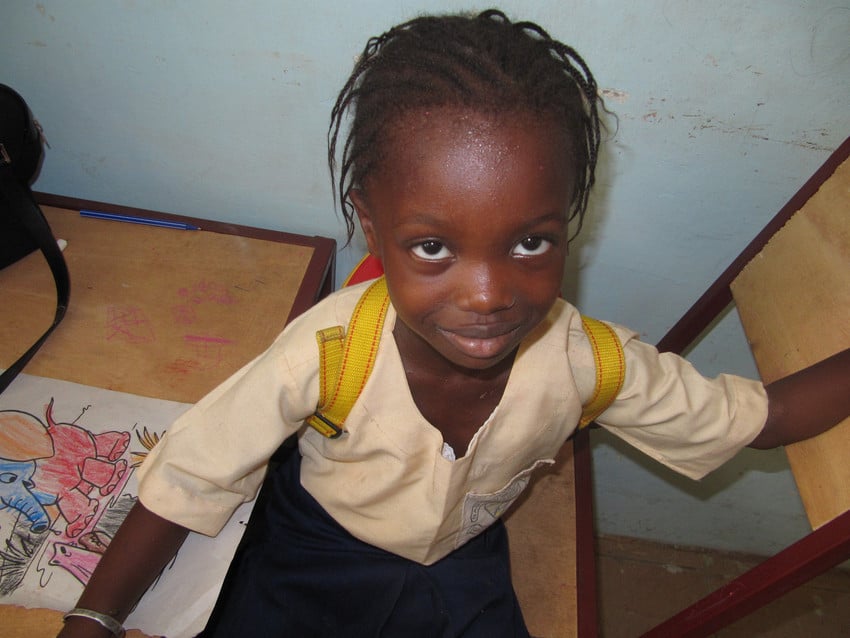
ChildFund’s programs for school-aged children in The Gambia focus on education, health, psychosocial support and children’s rights. We train teachers on better classroom management and experiential learning, and ChildFund provides schools with desks, learning materials and other resources. Children have better access to healthcare and learn about personal hygiene and preventing disease, and we organize events around children’s rights and social advocacy, including Day of the African Child and International Children’s Day. In 2015, ChildFund introduced a social and financial education program in 18 primary schools in The Gambia.
Age 15-24: Skilled and Involved
For teens and young adults, ChildFund offers support in the areas of entrepreneurship, leadership, advocacy and healthcare. Livelihood training has two components: one to train youth in basic business skills and organizational development, and the second to expose them to different economic opportunities. The second program is targeted for young men and women who have dropped out of school. In 2015, we trained more than 600 young adults, using both approaches. We also have provided training in agricultural careers through a cooperative garden started by 22 youth, and a group of young women started their own tailoring business after gaining entrepreneurial skills.
In our Leadership and Advocacy Program, young people form community groups and make their voices heard at meetings of local boards and other decision-making bodies. In the arena of health, teens learn about reproductive and sexual health rights and responsibilities, including early marriage and motherhood, gender-based violence and other important issues.

