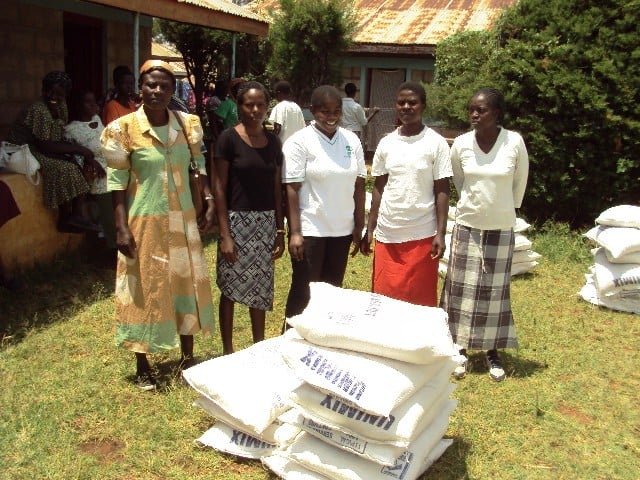
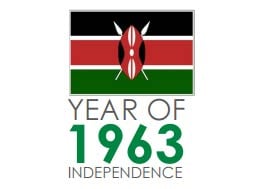
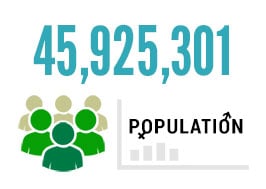
Kenya is an independent republic on the Indian Ocean. Kenya is considered the economic and transportation hub of East Africa, and its GDP has grown about 5 percent annually, benefiting a growing middle class. Nonetheless, unemployment is at about 40 percent, and inadequate infrastructure and corruption have hampered its economic growth and development. Inflation and food shortages have further plagued the country since 2012. ChildFund Kenya implements a host of projects through 38 local partner organizations that assist children and youth in 25 counties. The projects focus on education, health, water and sanitation, economic livelihoods and emergency response.
ChildFund has served children in Kenya since 1960. Help make a difference and sponsor a child in Kenya today.
Ages 0 – 5: Healthy and Secure
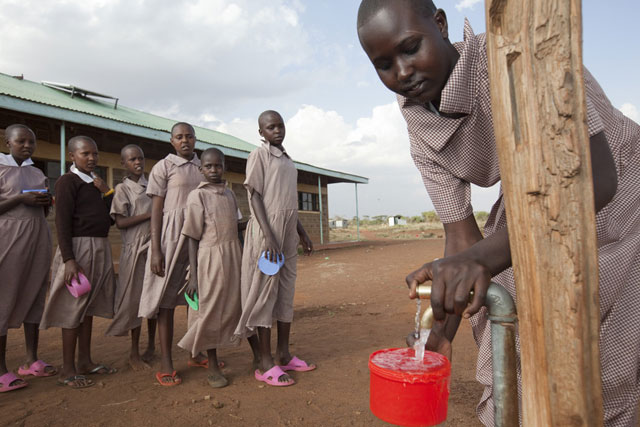
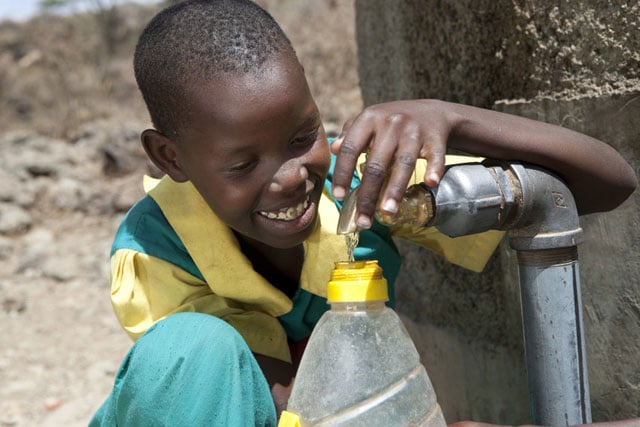
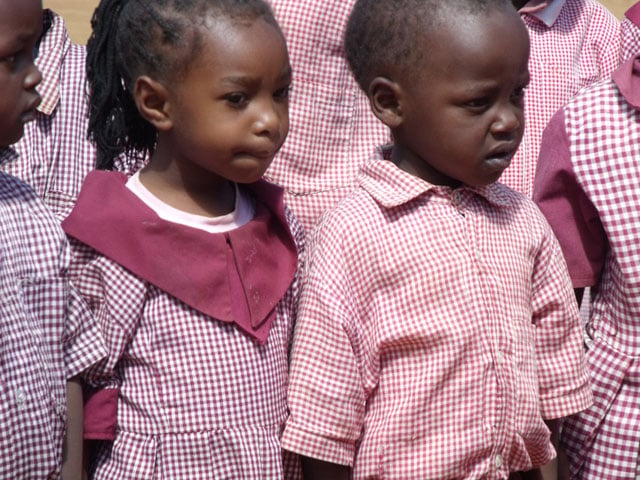
ChildFund Kenya and its local partners focus on providing access to clean water and nutritious foods, particularly for families with children under the age of 5, who are vulnerable to waterborne diseases like diarrhea and typhoid. Throughout the country, 48 Early Childhood Development centers received 5,000-liter water vessels to collect rainwater, giving children and adults the opportunity to wash their hands and drink clean water. Also, ECD centers in Nairobi and Kenya’s coastal regions have held workshops (funded in part by a grant) for more than 3,000 caregivers of children ages 0-5 in building healthy relationships and promoting timely development. ChildFund Kenya also has worked to provide healthcare access and training for ECD staff members in building children’s skills so they have a smooth transition to primary school.
Ages 6 – 14: Educated and Confident
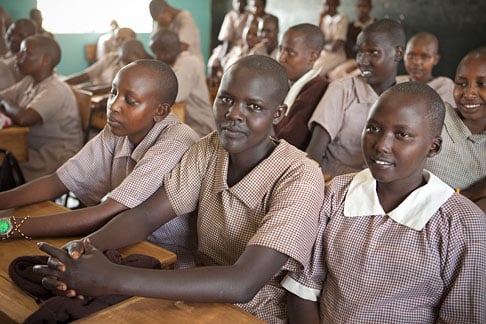
For school-aged children, ChildFund Kenya has emphasized child protection, children’s rights and school retention for girls, who are at risk of dropping out when they reach puberty. Aflatoun clubs (which focus on age-appropriate financial education) and other children’s groups give girls and boys the opportunity to learn leadership skills and raise issues that affect them, often speaking directly to adults. Also, in Emali, ChildFund collaborated with the local government and World Vision to hold a children’s forum about violence. Finally, to help girls stay in school, ChildFund and local partners provide them with sanitary pads, which are usually too expensive for girls living in poverty and often make them miss school. A local partner in North Rift also built a girls’ dormitory at a school to help address gender inequalities in education.
Ages 15 – 24: Skilled and Involved
For youth, ChildFund Kenya focuses on leadership and livelihood skills, youth empowerment and reproductive health. More than 3,000 young men and women received training in 2015 in entrepreneurship and marketing so they can start their own small-scale businesses. They also learned practical skills like horticultural crop production and dairy farming. Other young people received startup funding and financial management skills. On the health front, theater groups use drama to inform youth about healthy choices, how to protect themselves against HIV and the use of voluntary counseling and testing services to reduce HIV infection rates among youth. ChildFund Kenya also focused on inclusion of children and youth with disabilities, making sure they receive occupational therapy and other necessary care, as well as being fully integrated into community life.
Health care in Kenya
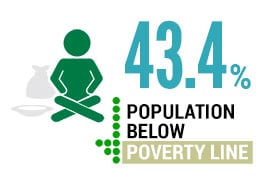
Kenya was a success story of economic growth in Africa until violence erupted around corruption in the 2007 presidential election. This political strife has been a setback for government programs, particularly the decaying and aging health care system. Despite recent economic success, only 4.5% of GDP was invested in the Kenyan healthcare system in 2013. With nearly half the population living in poverty and 43 million people under the age of 15, healthcare in Kenya is in urgent need of reform.
The Kenyan Ministry of Health has made significant progress in promoting awareness for health and sanitation, but the prevalence of preventable diseases still presents a major challenge. Lack of access to healthcare in rural areas and poor sanitation in urban zones accelerates the spread of preventable diseases. Malaria in Kenya is one of the nation’s biggest issues, and while HIV infection rates have slowed recently, HIV and AIDS still impact millions of families. ChildFund has worked with government agencies, other child development groups and nongovernmental organizations to improve Kenya’s healthcare system.

