Ready to work. Civically engaged. Future proof.
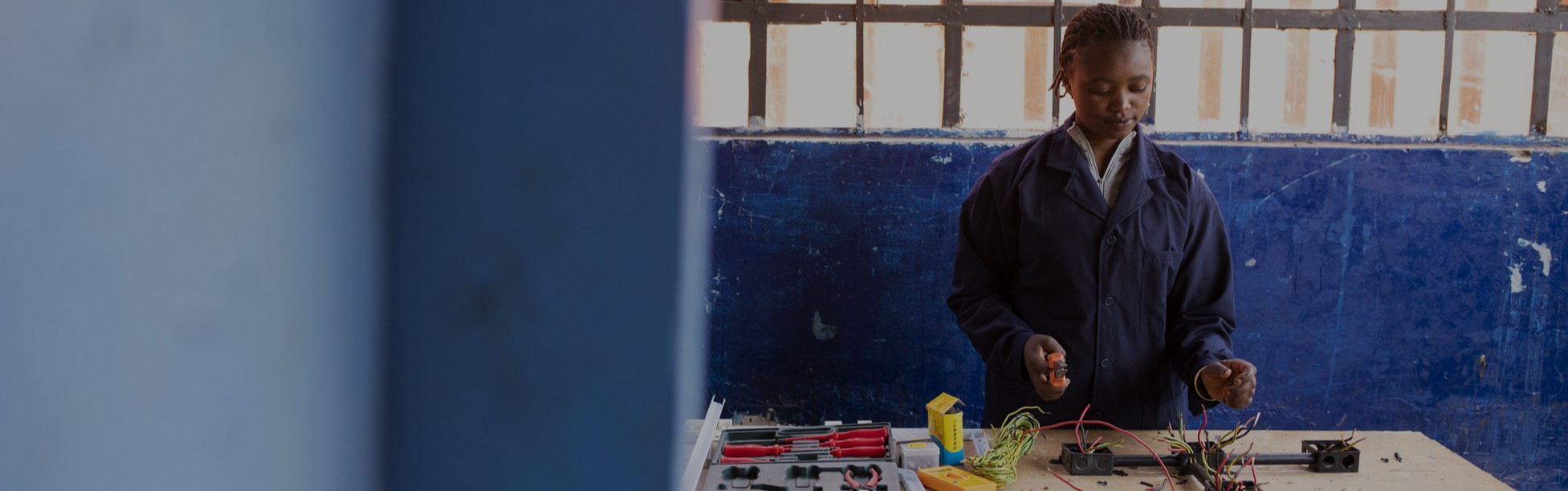
Young people in ChildFund’s programs build the skills they need for today’s rapidly changing global job market through demand-driven training on vocational and life skills, digital literacy and entrepreneurship.
Through our partnerships at the local, national and international levels, they enter meaningful, sustainable, safe livelihoods and access startup capital and support networks.
They are ready for today’s jobs and tomorrow’s careers, and to live safe, healthy lives as they create their own impact in their own communities. They are poised to thrive.
Our Approach
Digitalization and technologies are advancing faster than ever before, reshaping job markets. But young people in lower-income countries face significant challenges to accessing the opportunities this global transformation could offer them, including gaps in education and training, mismatched skillsets, and vulnerabilities that drive barriers to education, employment and financial services.
ChildFund’s approach to strengthening livelihoods includes:
Workforce Readiness and Lifelong Skills Development
Rapid technological advancements and digitalization are reshaping job markets. Many young people lack the skills needed for modern industries due to gaps in education and training. Enabling environments, mentorship and opportunities for personal growth enable young people to navigate life’s complexities and reach their full potential.
Programs focusing on essential technical and soft skills, youth employability, entrepreneurship and digital literacy are vital for equipping young people with the competencies required to thrive in evolving economies. By conducting job market surveys, partnering with employers, and providing vocational and entrepreneurial training, we create safe, sustainable employment opportunities. In Sri Lanka, for example, ChildFund convenes private-sector employers to co-create needed skills training curricula for government training centers. Over 12,000 youth with disabilities have been trained through the program.
Our growing focus on social and green entrepreneurship, particularly in building sustainability and digital spaces, also uniquely positions us to help youth create sustainable livelihoods.
Entrepreneurship and Financial Inclusion
Children and youth from marginalized groups, such as persons with disabilities, refugees and rural youth, often face significant challenges like poverty and limited access to quality education or skills training. Targeted programs in skills development, livelihood strengthening and financial inclusion are crucial for helping them overcome these barriers. They provide essential tools and opportunities for all young people to improve their circumstances and contribute positively to their communities.
For example, partnerships with programs like Kenya’s government-supported Ajira Digital Skills Training Program help young people prepare for online work and digital entrepreneurship.
Public-Private Partnerships
With Swedish greentech company Spowdi, we are partnering to equip 470 farms in Kenya with solar-powered irrigation systems and training in regenerative agriculture. This scalable initiative leverages a unique blended finance model that is poised to increase agricultural production and income for young smallholder farmers and their families in Africa.
Youth in Policy Change
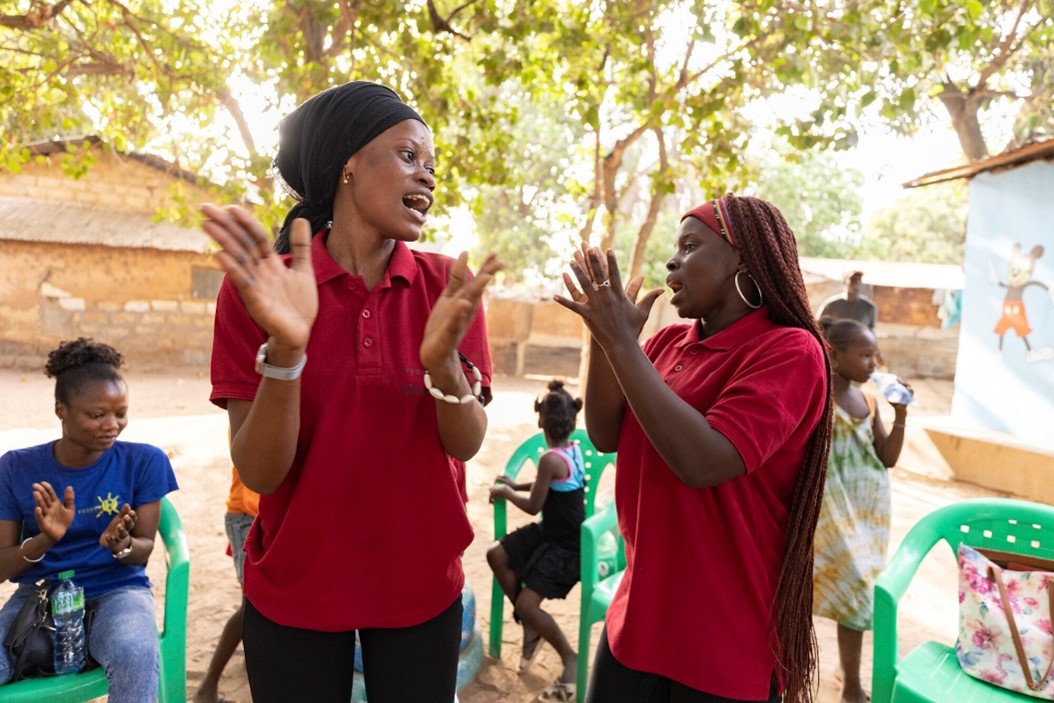
Young people have achieved notable successes through actively participating in advocacy and policy making, impacting local and national policies and enhancing their personal, social and political skills. Projects like the Girls Platform in The Gambia and Sierra Leone empower girls to address gender-based violence and other issues in their communities, showcasing the transformative effect of youth-led advocacy.
Approaches such as ChildFund’s “Voice Now!” and Youth Advisory Councils apply youth feedback to refine and innovate community-based solutions. These platforms gather insights directly from young people, allowing for the development of programs that are both effective and responsive to their needs.
More broadly, ChildFund actively works to partner with youth in our global advocacy work. Initiatives like the Youth Network in Defense of Social Rights (REJUDES) in Brazil demonstrate how youth voices can drive significant change.
I was so shy. But [ChildFund’s youth club] has allowed me to be more outgoing and do something for my community. The leadership training has been good for me. I can communicate so much better, and I’ve met so many people.
— Awa, 20, Senegal
Explore Our Impact
-
Building youth leadership skills in India
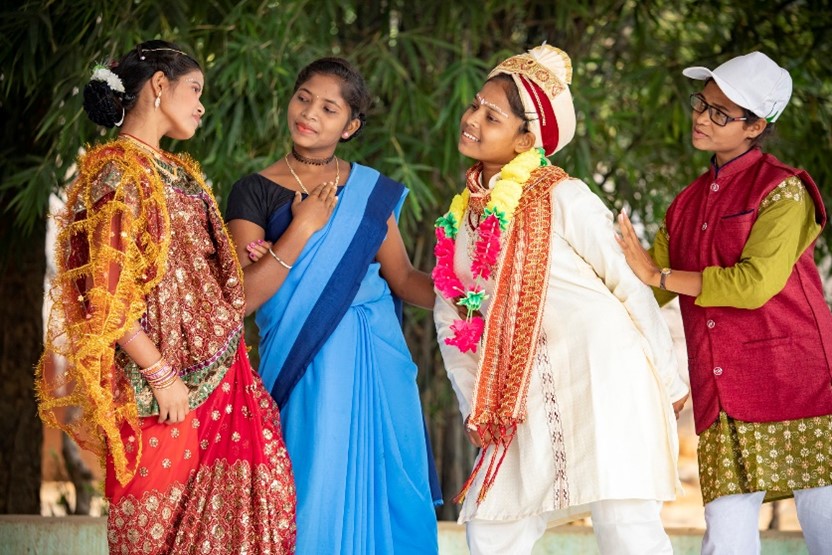
The Developing Youth as a Change Agent program in India has effectively enhanced youth leadership and confidence, enabling them to address community issues and advocate for change. The program has significantly engaged youth with local governance structures, with 90% of participants actively involved in community decision-making.
-
Championing vocational education in Central America
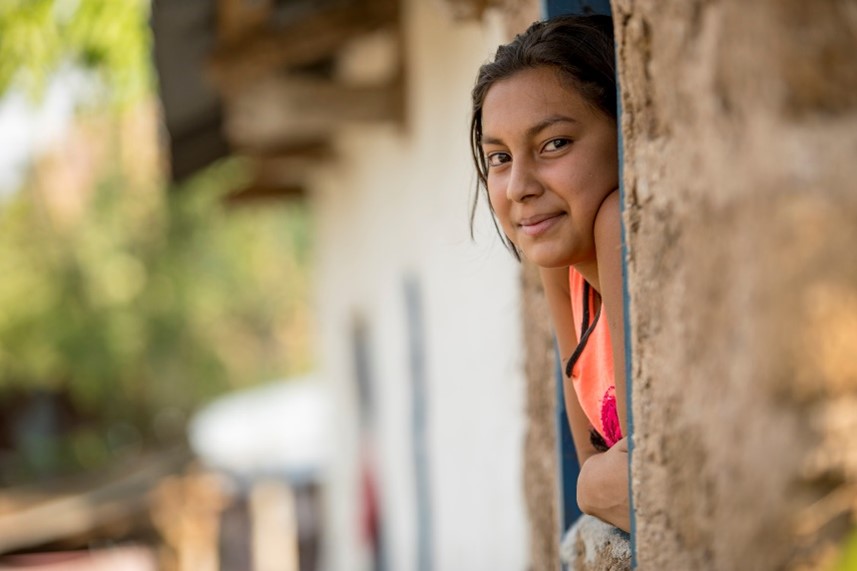
The Preventing Irregular Migration in Central America and Mexico (PICMCA) project enhanced youth employability by providing 875 scholarships for technical training and alternative education. Furthermore, 962 youth were connected with formal internships, jobs or apprenticeships, directly improving their career prospects and income levels.
-
Boosting vocational and life skills in Indonesia
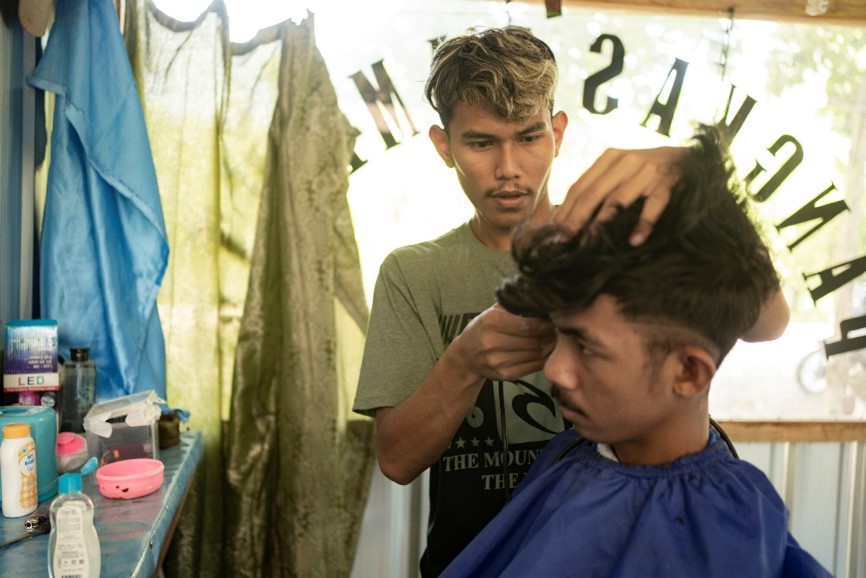
The ENERGY project addresses high unemployment and social issues among youth, especially women, through vocational and life skills training. With support from the Caterpillar Foundation and Procter & Gamble, ChildFund provided training in high-demand trades, as well as essential life skills including computer literacy, financial management and business analysis.
Bridging barriers for youth with disabilities in Sri Lanka
In Sri Lanka, youth with disabilities often face extreme obstacles to skills development, making it a challenge just to enter the workforce. Thanks to a partnership with Pizza Hut Sri Lanka, ChildFund is supporting youth with disabilities to build valuable job skills, find gainful employment and reach for their dreams.
Contact
-
Caterina Valero
Senior Advisor, Child Protection CValero@ChildFund.org
