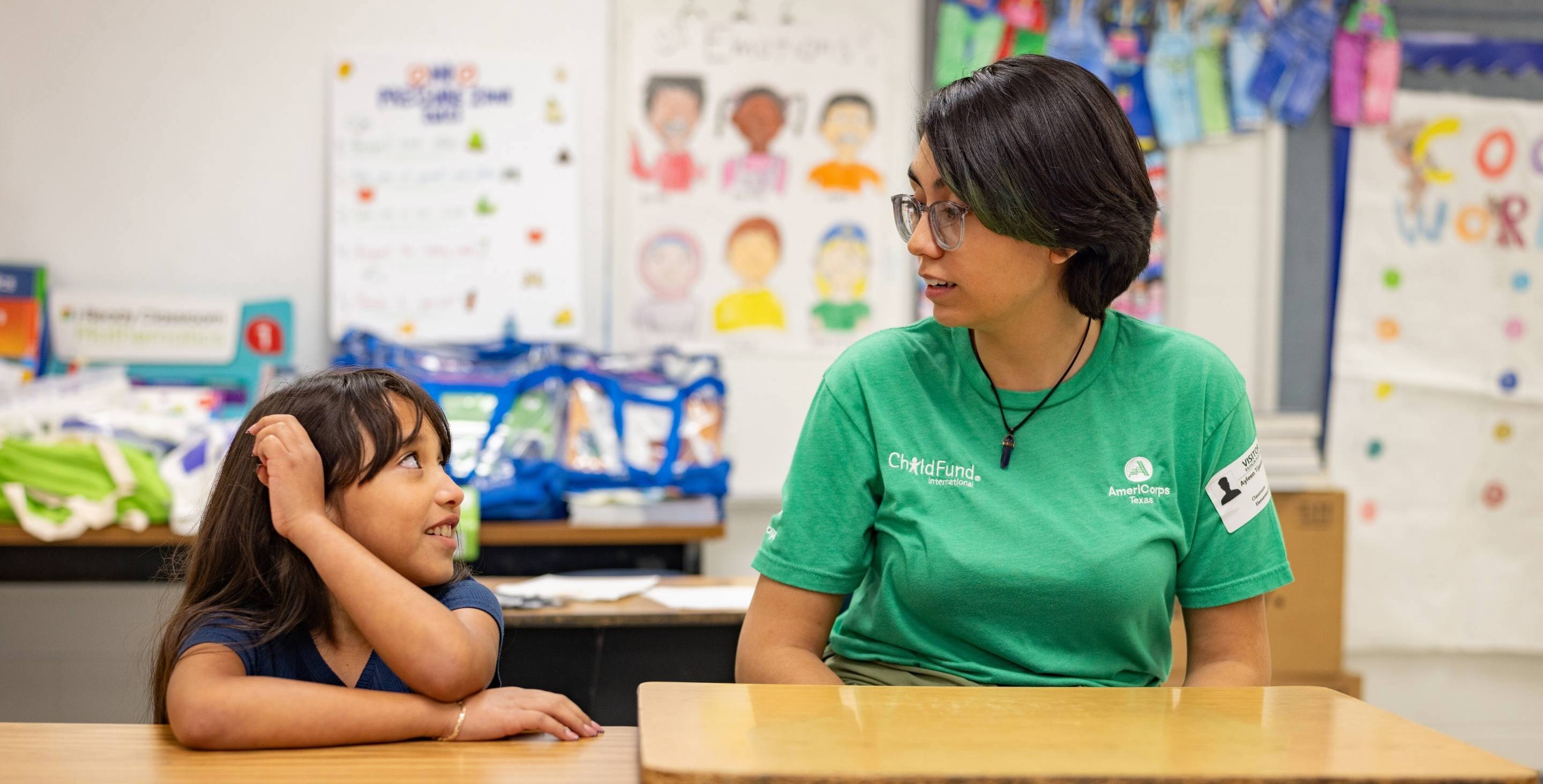
Inside ChildFund's No Pressure Zones in South Texas
Posted On 08/25/2026 | 5 min
Every child needs a place where they can take a calming breath—a place where they don't have to worry about fitting in. Where they can ask questions, try something new, talk through a challenge or simply be themselves.
For children in Hidalgo County, Texas, ChildFund’s No Pressure Zones are helping create those kinds of spaces.
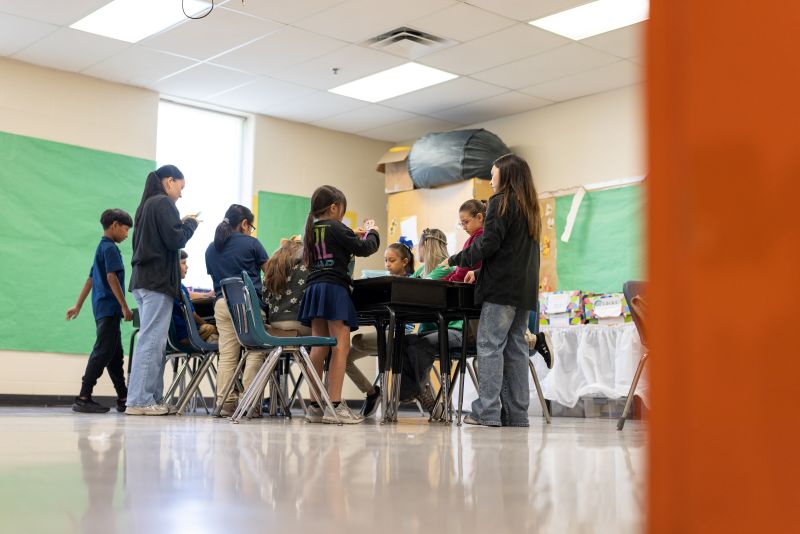
They don't look extraordinary at first glance. You might see children playing a game, reading a book, creating art or talking with a caring adult. But something important is happening in those moments. Through activities, discussions, creative expression and play, children are learning about empathy, communication and healthy decision-making in ways that aren’t just practical—they’re fun.
In other words, these children are building resilience: a life skill that will serve them far beyond the classroom.
The challenge: Economic instability in South Texas
ChildFund’s U.S. programs in South Texas focus on supporting children growing up in some of the most economically and socially disadvantaged communities in the country. Along the Rio Grande Valley, many families face persistent poverty, unstable housing and limited access to basic resources.
As David Chayer, U.S. Country Director, explains, “The area in South Texas that we cover is one of the most distressed areas in the United States. We have a lot of families that live in substandard housing. In a lot of cases, there may not be typical running water that you and I would take for granted.” These conditions shape nearly every aspect of a child’s daily life, from school attendance to their ability to focus and learn.
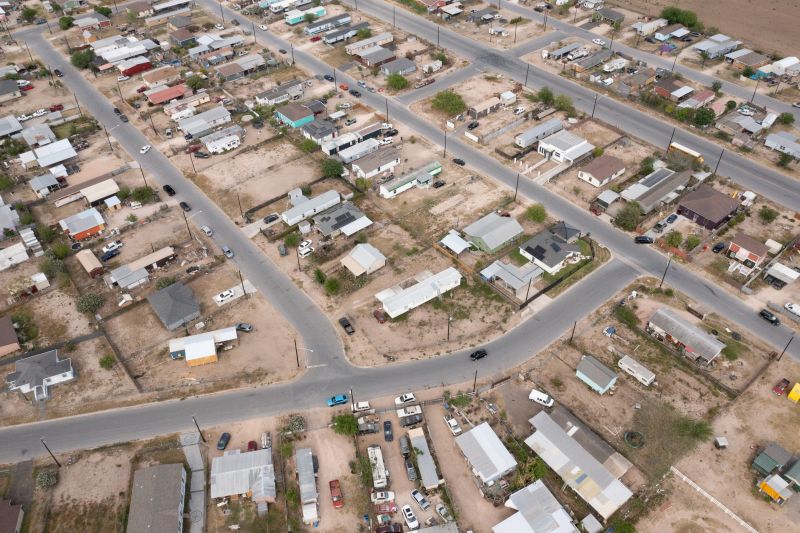 Aerial shot of a colonia, or unincorporated settlement, in the Rio Grande Valley.
Alongside material hardship, children also carry significant emotional burdens into the classroom. In many cases, fear, uncertainty and limited support systems at home affect their ability to thrive.
“In our culture, there are no problems,” says Sylvia Faz, principal of a Rio Grande Valley school where ChildFund works. “There's no such thing as mental health. Discipline [by parents] is one way of kind of reacting to what's going on in the child's life at home.”
The solution: Classroom-based No Pressure Zones
In response, ChildFund’s U.S. programs are centered on social-emotional learning as a core child protection strategy. Rather than focusing solely on material needs, the program helps children build confidence, resilience and healthy relationships.
Delivered in partnership with public schools and powered by AmeriCorps members from the community, the approach creates safe, structured spaces known as No Pressure Zones, where small groups of children can talk with a trusted adult, express themselves, develop coping skills and strengthen their ability to succeed both academically and socially.
“All these adverse childhood experiences many of our kids have, we can't really go in and fix, but what we can do is help them be prepared to succeed in that typical classroom setting through our No Pressure Zone program,” says Santiago Baldazo Jr., ChildFund’s U.S. Program Manager.
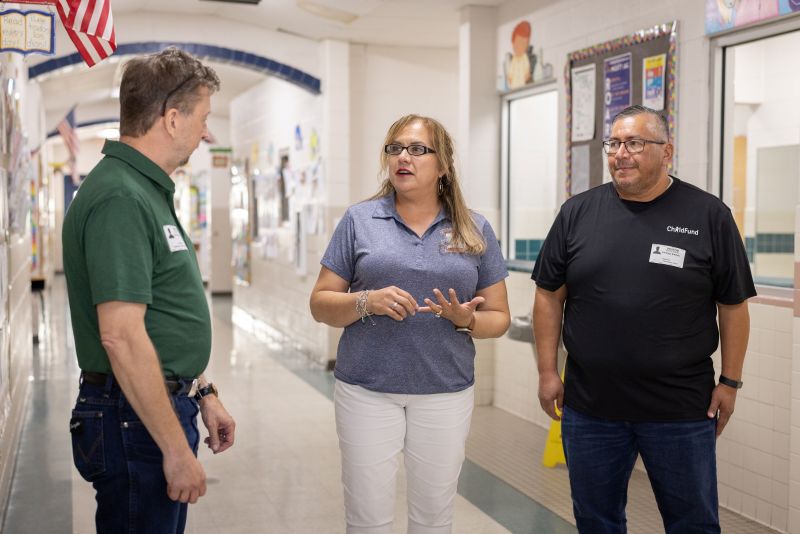
ChildFund’s U.S. Country Director David Chayer, principal Sylvia Faz and ChildFund’s U.S. Programs Manager Santiago Baldazo Jr. discuss the No Pressure Zones program in the halls at a local public school.
As part of the program, small groups of 4 to 10 students visit the No Pressure Zone once a week for 45 minutes. Each session is facilitated by two or three AmeriCorps members who follow a loose curriculum of reading, crafts and discussion designed to strengthen students’ social-emotional skills.
In return, the AmeriCorps volunteers themselves receive a living allowance, healthcare and childcare during their service. The No Pressure Zones help them grow their leadership and facilitation skills and gain a deeper understanding of what's possible when people invest in one another.
Today, these programs are active in 19 schools across three school districts in the Rio Grande Valley.
“[Students] have that person that they can confide in and be able to talk about how they're feeling, the challenges that they're facing,” says Roman Coronado, a social worker in the public schools system. “I get to see students whenever they're in crisis or they're referred to me. AmeriCorps and ChildFund get to interact with students on a different level. If it wasn't for AmeriCorps and ChildFund at our schools, sometimes those feelings or the things that students are going through may get overlooked.”
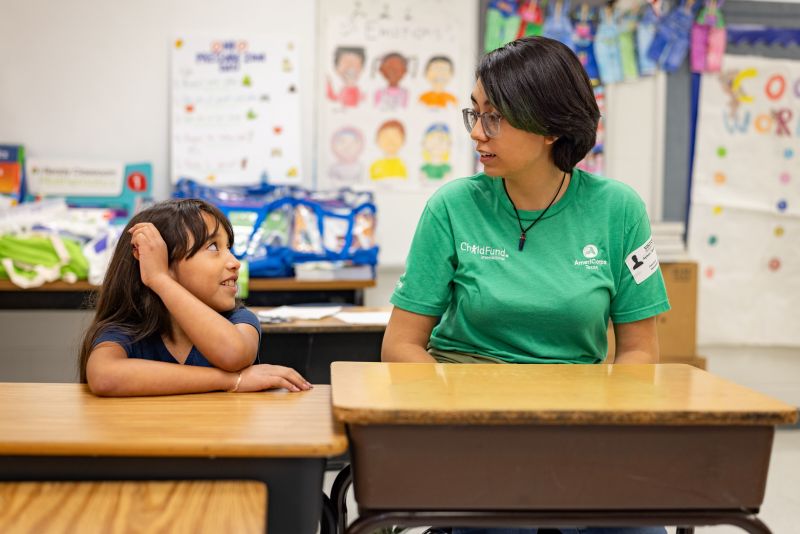
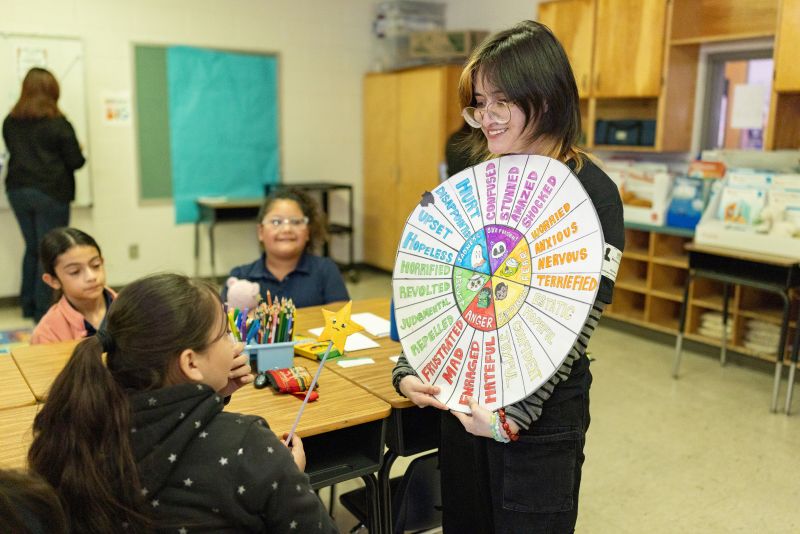
Students at a ChildFund No Pressure Zone engage in activities with AmeriCorps volunteers.
Teachers and administrators are seeing the difference No Pressure Zones are making as well. “Our teachers are so focused on instruction and the learning process that it's hard for them to counsel kids,” says Principal Faz. “Now that ChildFund has come in and they are providing that support on a weekly basis, our students really look forward to it. They love the small group, the interaction, and collaborating with one another.”
Even students who struggle behaviorally are responding in meaningful ways. “A lot of the kids that I work with now are typically considered the ‘behavioral students,’ but when they're in our class, they are sometimes the most sweet kids ever,” says AmeriCorps volunteer Milo Palomin. “And I do feel like without our program, they would feel a sense of hopelessness because we have really given them the opportunity to see that they can feel good, that they can be better.”
Building resilience beyond the classroom
When children have safe places to learn, grow and belong, the benefits reach more than just a single child. Families grow stronger. Communities become more connected. Young people discover strengths they didn't know they had.
ChildFund’s work extends beyond the classroom to strengthen families and communities as well. Across South Texas, more than 1,200 children are supported through ChildFund’s U.S. sponsorship program, connecting them with sponsors who invest in their well-being and future. Separately, through family engagement nights held at participating schools, parents and children come together for guided activities, games and shared learning experiences that build communication and relationships. Alongside support initiatives like jacket and shoe distributions, these efforts help reduce immediate barriers while deepening connections between schools and families.
“The ChildFund [program] is not limited to just students; it also extends to parents through our family engagement night,” says Principal Faz. “The teacher has started building a relationship with the parent, and therefore the students know that they have to get their act together. So, I really feel that what ChildFund has done is really impacting the students’ success here at school. We are actually seeing the performance increase because now our parents are a little more involved.”
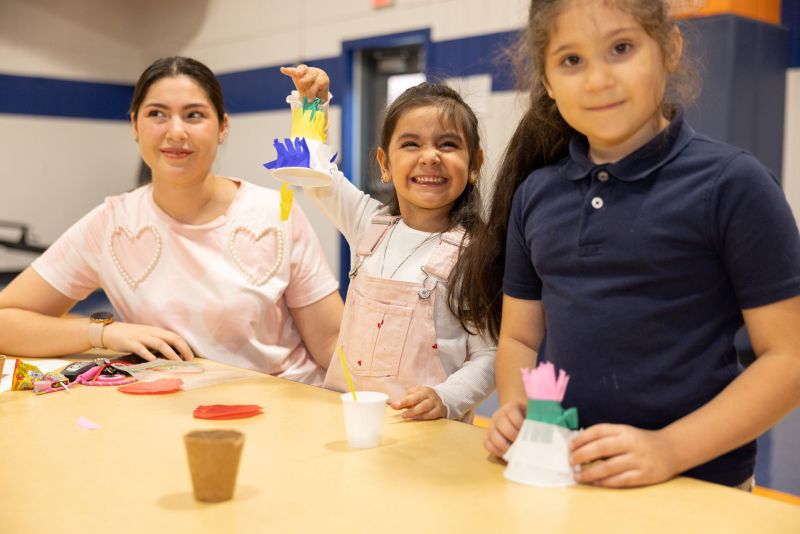
Kids and parents enjoy making crafts together at a family engagement night.
Educators are also seeing broader improvements in well-being and academic readiness. “I see a lot of mental health improvement,” says Rosa Ramirez, a guidance counselor at a participating school. “A lot of kids like going to those groups. Their mental health improves, and that's good for the teachers, because they'll be ready academically in the classroom to better absorb whatever they're learning.”
At its core, ChildFund’s work in Texas is about helping children feel seen, supported and capable of shaping their own future. It’s about creating environments where they can move forward with greater confidence, stability and hope.
While ChildFund’s work continues to grow in South Texas, this growth is currently outpaced by demand. Schools and communities are increasingly seeking out support, recognizing the role social-emotional learning plays in helping children succeed both in and out of the classroom. “We do get a lot of requests for our programming, and it's been difficult to say ‘no’ because we don't have the capacity,” says Baldazo, “but the interest always makes us feel like there's a growing understanding of what children are needing to succeed in school.” Looking ahead, ChildFund aims to expand its reach to meet that need in more communities facing similar challenges.
“There's all types of things that we really want to look at in terms of areas that are distressed where we can make the most impact in helping kids and families,” says Country Director Chayer. “And so in 10 years, I would love to see our program here in South Texas replicated in cities across the United States, and with support from our funders and from our supporters, I know that we'll be able to do that.”