When a tree is more than just a tree: How young people in India are confronting extreme heat
Posted On 08/01/2026 | 2 minutes
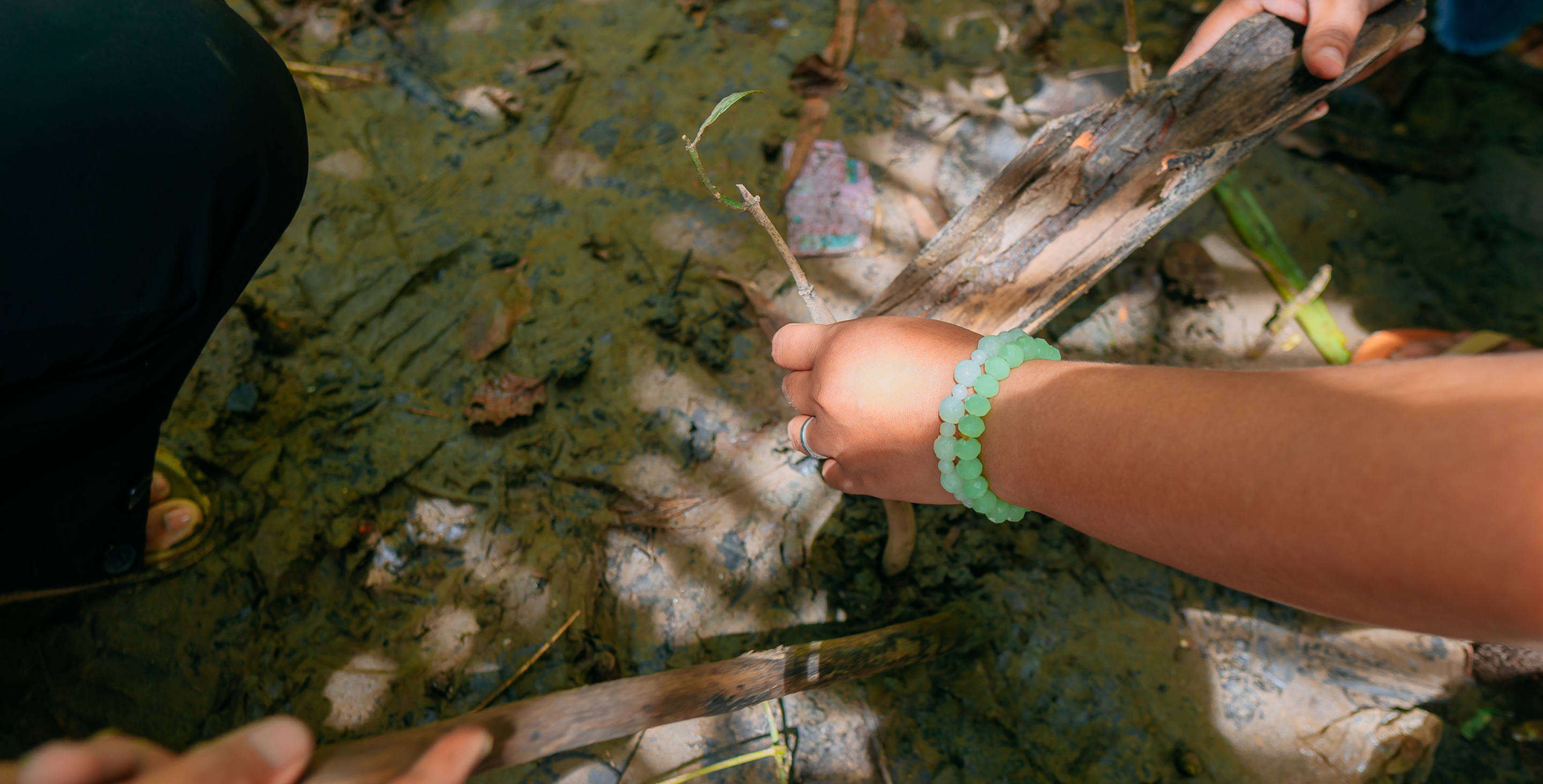
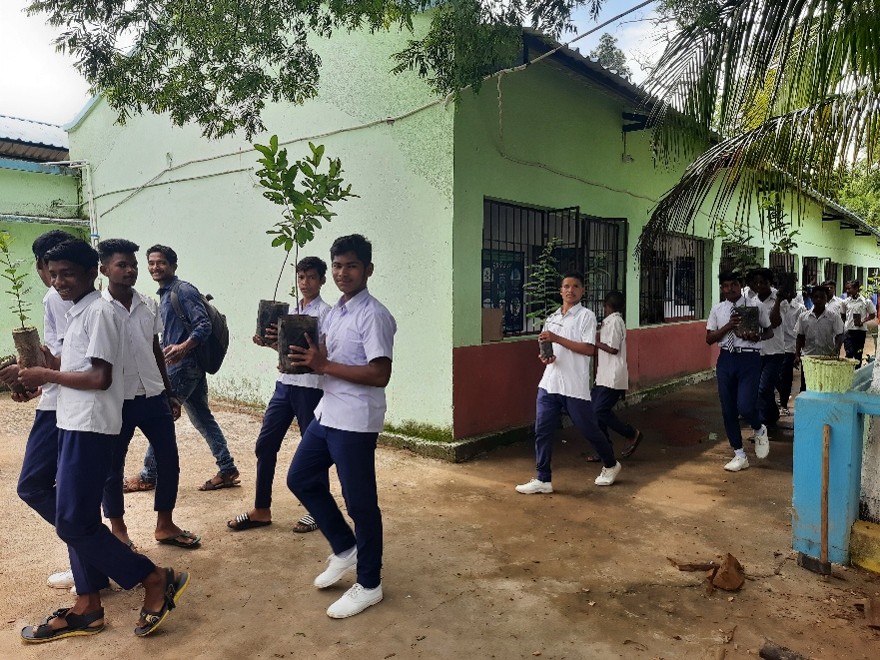
Extreme heat is an urgent priority across India, especially in dense, urban areas. And youth-led action is taking hold as young people help restore green spaces, protect plants and respond to the growing heat risks. Through ChildFund India’s “One Child – One Plant” campaign, young people are encouraged to plant and care for a tree as if it were their own. The idea is simple but powerful: When a child nurtures a tree, that act of care can ripple outward, supporting the health and well-being of the wider community. In Bangalore and Junnar, more than 200 community members and youth volunteers joined together to plant tree saplings and promote greener urban spaces.
But the work is more than just planting trees. Young people and community volunteers are also building partnerships with forestry, horticulture and local administration offices so environmental action is supported by the systems around them. And although urban concrete and dense populations exacerbate extreme heat, rural areas are not immune to the rising risks. In Odisha, along the Bangalore coast, young people are leading efforts through local youth clubs and volunteer groups to protect existing plants, promote planting of forest and medicinal plant species, and raise awareness about deforestation and rising temperatures. So far, 58 youth clubs with 1,529 members have helped plant 3,795 trees and medicinal plants.
In addition to the tree-planting campaign, ChildFund India is prioritizing Heat and Health initiatives across the country. Communities in dense urban areas are putting practical, community-based solutions in place to protect those most vulnerable to extreme heat, including children, older adults and pregnant women.
In Bhubaneswar, for example, local teams are coordinating with government and community partners to form youth collectives across 20 neighborhoods. These groups are helping mobilize residents, identify families most at risk and promote prevention measures — such as building community cooling spaces with local materials for people to find shade and relief — before heat emergencies occur. Other simple but critical interventions are also underway, including distribution of oral rehydration salts and hydration stations in communities. Frontline workers, mothers’ groups and health staff are also being trained to educate families on how to prevent heat-related illness so that awareness and care become part of ongoing community support rather than a one-time response. At the state and national levels, ChildFund and local partners are also working to strengthen coordination around heat preparedness, early warning systems and community outreach, linking local action with public systems that can respond when temperatures become dangerous.
Extreme heat is a growing public health challenge in India and many other parts of the world, and has broad impacts on human well-being. For ChildFund, this is an urgent matter — children experience heat-related health issues in ways that also threaten their long-term development, especially where public systems do not foster the conditions needed to keep children safe. Holistic programming that addresses extreme heat at many levels and from different angles is crucial to keeping children safe and healthy, no matter where they live.