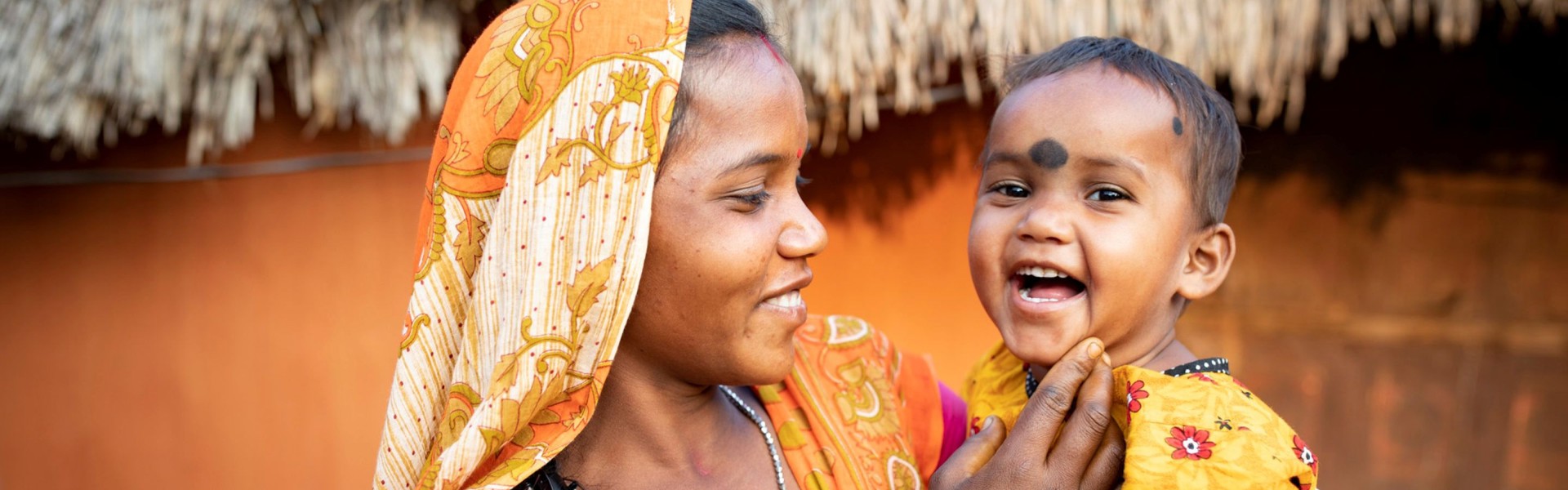
India
With your support, ChildFund has helped children in India get a strong start in life since 1951.
The story of India is one of growth, gains and gaps. Over the past few decades, India has witnessed accelerated economic growth, emerging as the world’s fourth-largest economy, although the benefits still elude a large segment of its people. Child labor, child marriage and other issues related to child protection continue to be major challenges, and children in vulnerable communities, whether urban or rural, lack many resources necessary to reach their full potential.
Our Work in India
Since 1951, ChildFund India has worked to help children grow up healthy, educated, skilled and safe.
ChildFund India helps children stay healthy by supporting their nutrition, physical well‑being, and mental health across every stage of childhood and adolescence. In the earliest years, our health programs — and the MACHAN initiative in particular — work to improve maternal and child health in more than 200 villages by promoting safe motherhood, adequate nutrition and protection from life‑threatening illnesses. For children ages 6 to 14, ChildFund strengthens school health systems with programs that teach healthy habits, improve nutrition, enhance sanitation and provide age‑appropriate health education. As young people enter adolescence and early adulthood, we prioritize health education through initiatives like the GARIMA program, which operates Jigyasa centers offering safe spaces, tailored health services and support from trained peer educators. ChildFund India also advances mental health awareness and care for children and caregivers while expanding comprehensive primary health services in urban areas.
ChildFund India strengthens children’s education by expanding access to quality learning opportunities from early childhood through young adulthood. For children ages 0–5, we enhance early learning through our early childhood development programs, transforming government childcare centers into vibrant preschools and equipping parents with tools to support learning at home. For school‑aged children, ChildFund’s PENCIL model improves learning outcomes by fostering critical thinking, socioemotional skills and multilingual, context‑based teaching, while STEM and digital literacy programs help older students build creativity, problem‑solving abilities and future‑ready tech skills. As adolescents transition into adulthood, ChildFund promotes higher education and career readiness through initiatives like the Udaan Fellowship, 21st‑century skills training, career counseling under the SPARK program, and technical training through TechEqualizer. Together, these programs reduce educational barriers, promote equitable access and support children and youth with the skills they need to thrive academically and professionally.
ChildFund India helps support young people with the knowledge, confidence and practical competencies needed to navigate an increasingly complex world. Through our comprehensive Life Skills module — implemented across 14 states — youth learn problem‑solving, healthy work habits, communication, personal well‑being and hygiene, along with skills in entrepreneurship and community engagement. Across all stages of a child's life, ChildFund integrates 21st‑century skills such as financial and digital literacy, commercial and caregiving skills, and health awareness, supporting youth and their families to make informed decisions and build more resilient futures. These programs also support young people affected by migration, helping them adapt to new environments, cultures and opportunities. Aligned with national policies like India’s National Education Policy 2020 and vocational skill‑development initiatives, ChildFund’s approach strengthens work readiness while advocating for fair wages, safe working conditions and social protection. Our efforts help young people become confident, capable and responsible leaders in their communities.
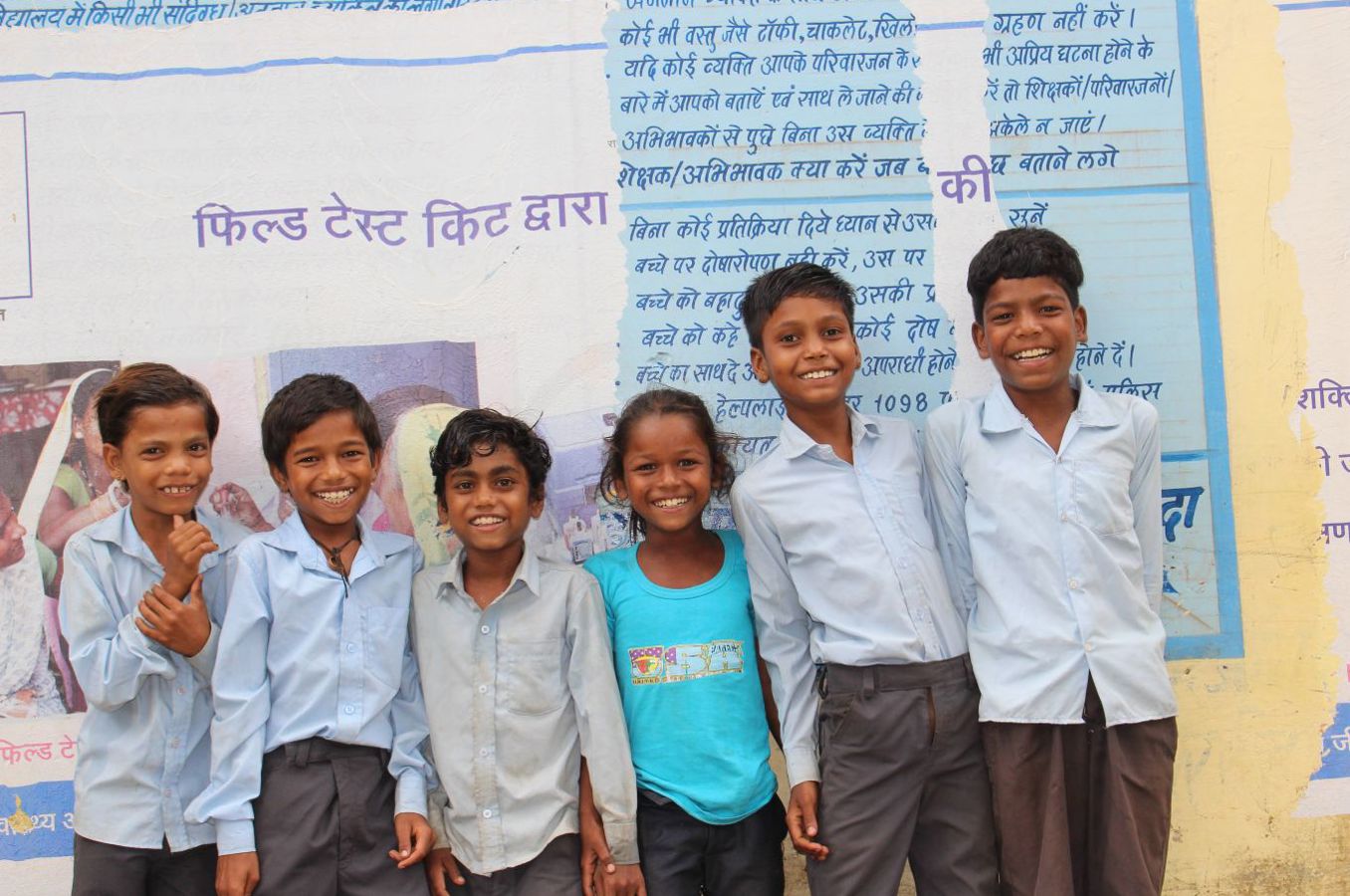
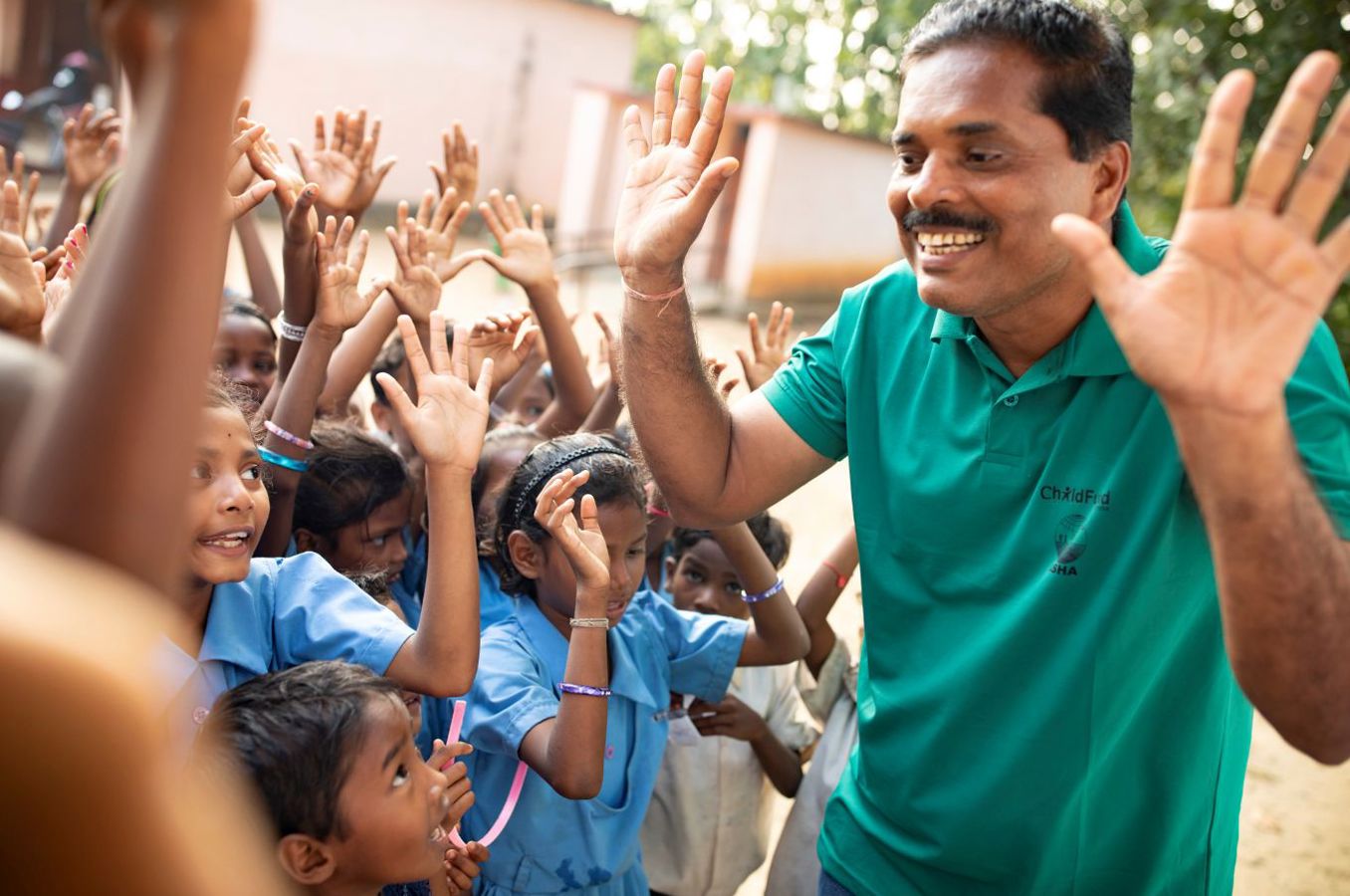
Children outside of a school supported by ChildFund India.
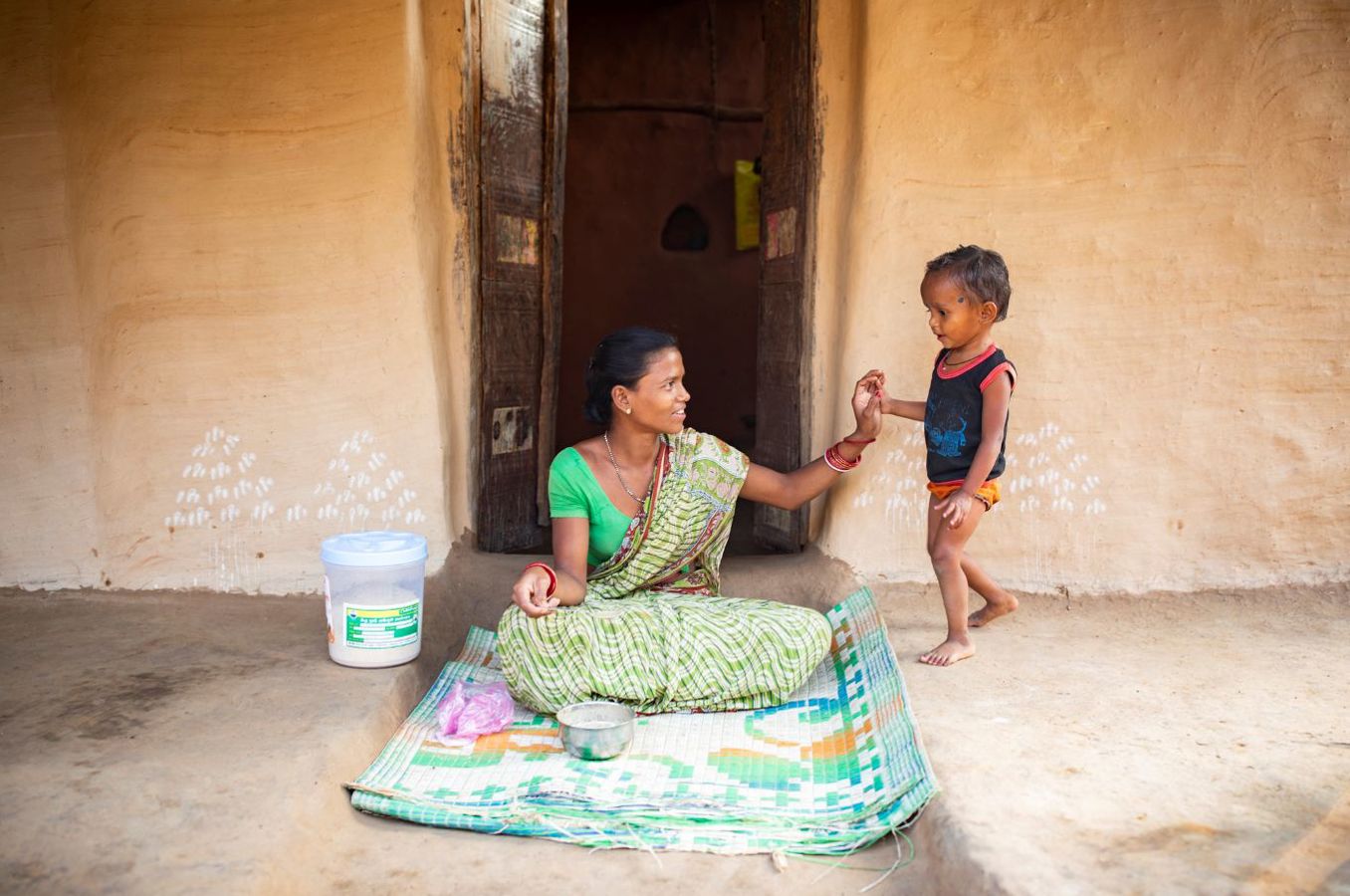
2-year-old Droupadi's mom prepares the nutritional porridge ChildFund has provided them to aid Droupadi's recovery from malnutrition.
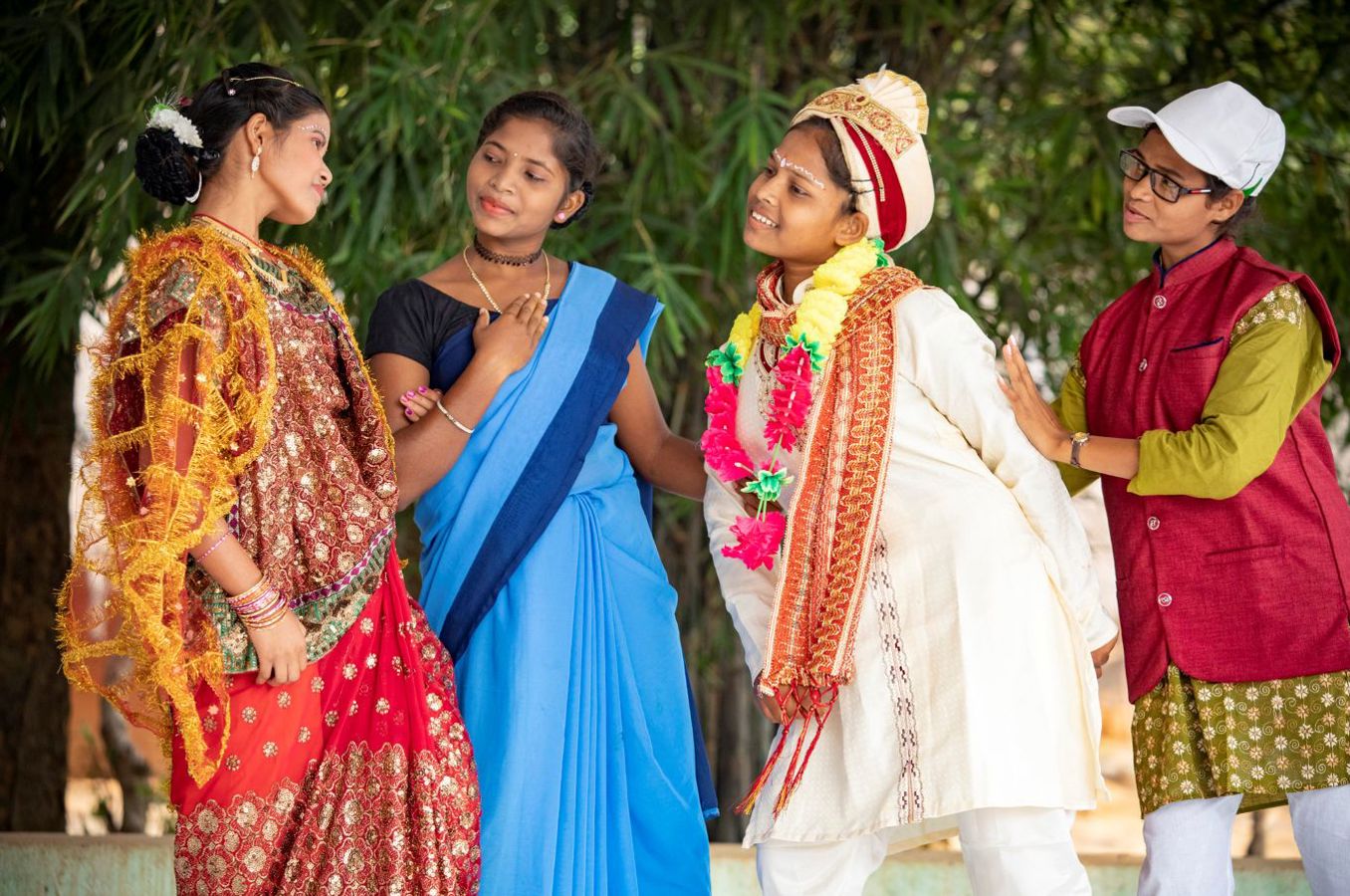
Members of a ChildFund Youth Club in Keonjhar District perform a street play to raise awareness about the dangers of child marriage.
A ChildFund staff member teaches children about proper handwashing.